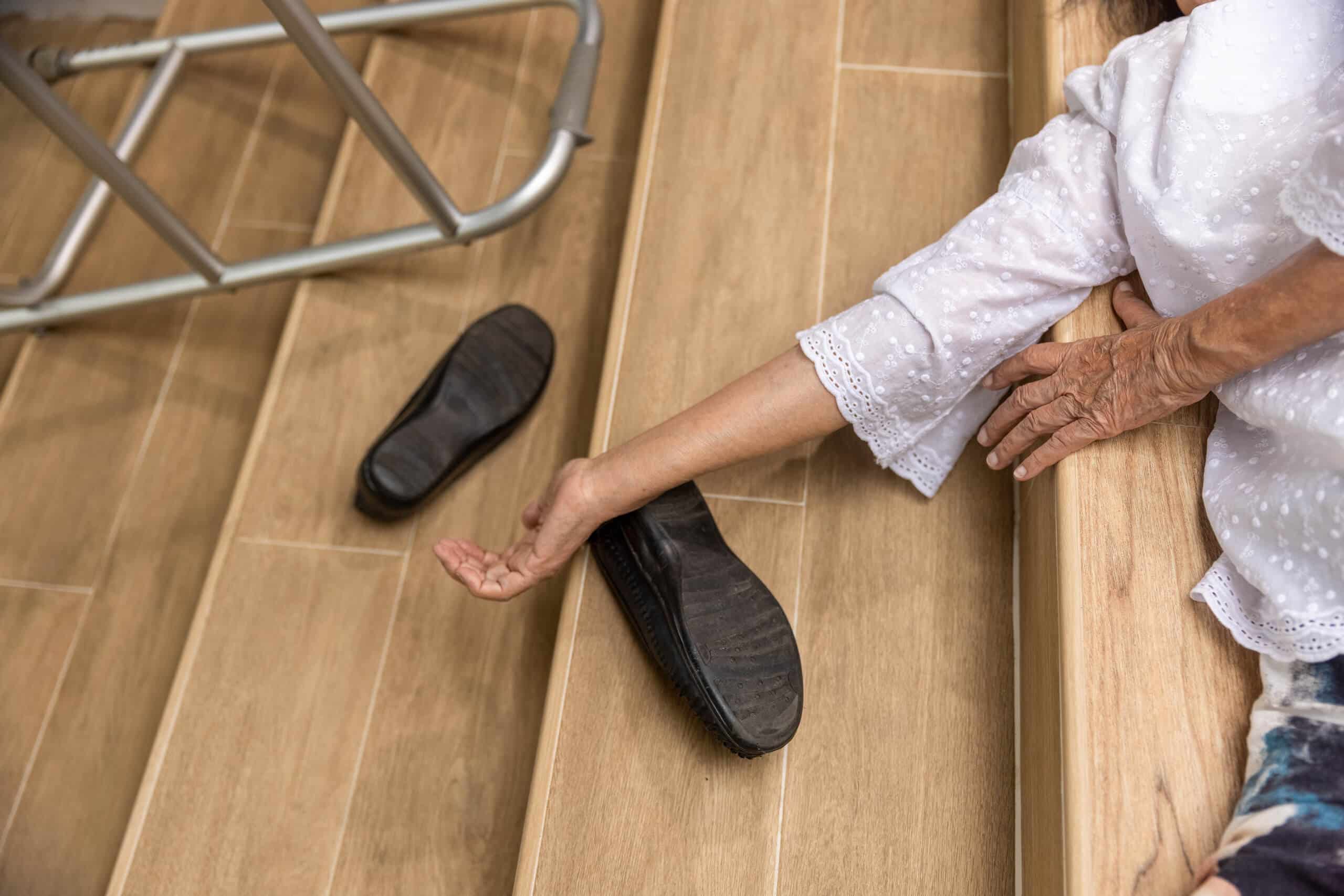
A hazard on someone else’s property that caused your fall in Philadelphia can give you a valid premises liability claim, and Pennsylvania law may let you recover compensation for your medical bills, lost wages, and pain and suffering. That is true whether you fell at a store, an apartment building, a parking lot, or on a city sidewalk.
The attorneys at The Slocum Firm represent injured people throughout Philadelphia and know how to build slip and fall cases against negligent property owners and their insurers. Call or text (570) 209-7376 any hour of the day for a free case review and speak directly with a Philadelphia slip and fall lawyer, not an intake screener. You pay no fee unless we recover for you, and we will tell you where you stand.
What Makes Philadelphia Slip and Fall Cases Different

In Philadelphia, property owners are primarily responsible for maintaining the sidewalk next to their property, including removing snow and ice and making many repairs, under Section 10-720 of the Philadelphia Code. This local rule often determines who is legally responsible after a slip and fall. In rental properties, liability gets more complicated, since landlords and tenants may each claim the other was responsible for the area.
Mixed-use buildings, where commercial and residential spaces share the same property, can also involve multiple potentially liable parties. Our attorneys investigate property ownership, lease agreements, maintenance responsibilities, and city records to identify everyone who may have owed you a duty of care.
Determining the correct defendant early is essential, since pursuing the wrong party can delay your claim and make it harder to recover full compensation for your medical expenses, lost wages, pain and suffering, and other damages.
The Legal Standard for Property Owner Responsibility
Pennsylvania law requires property owners and occupiers to maintain reasonably safe conditions for the people they invite onto their property, whether that’s a customer in a store, a tenant in an apartment building, or a visitor at a private home. This duty includes inspecting the property for hazards and either fixing them or warning visitors clearly enough that a reasonable person would notice.
The duty owed depends on your legal status at the time of the fall. Invitees, typically customers or business visitors, receive the highest level of protection. Licensees, such as social guests, are owed a slightly lower standard. Trespassers receive the least protection, though exceptions exist for children drawn onto a property by something dangerous.
Unlike an invitee, a licensee generally must prove the owner had actual knowledge of a hazard, rather than just a duty to inspect for one.
Explore how local premises liability laws protect you after a Philadelphia slip and fall by reading our breakdown of common personal injury cases in Philadelphia.
How Comparative Negligence Affects Your Recovery
Pennsylvania follows a modified comparative negligence rule with a 51% bar. If you’re found 50% or less at fault for your own fall, you can still recover damages, but your award gets reduced by your percentage of fault. If a jury or insurance adjuster decides you were 51% or more responsible, you recover nothing.
This is where insurance companies focus most of their effort. Adjusters will comb through your case looking for any sign you weren’t paying attention, were wearing inappropriate footwear, or ignored a posted warning sign.
The primary reason these arguments work on unrepresented claimants is that most people don’t realize how aggressively comparative negligence gets used as a bargaining chip during settlement talks rather than something decided strictly by a judge.
Comparative negligence is where insurers do the most damage to a fair claim.
Snow, Ice, and the Hills and Ridges Doctrine
Winter slip and fall claims in Philadelphia carry an additional legal wrinkle called the hills and ridges doctrine. Under this rule, a property owner generally isn’t liable for falls caused by snow and ice that accumulated naturally and generally throughout the region, unless the snow or ice formed unreasonable ridges or elevations that obstructed travel and the owner had notice of the condition and a reasonable opportunity to address it.
This doctrine has tripped up plenty of legitimate claims because people assume any icy fall automatically means liability. It doesn’t. Step one in a winter fall case is determining whether the ice was a generally slippery condition tied to the storm itself or a localized hazard like a refrozen puddle from a broken downspout.
That distinction often decides whether a claim survives, and it’s the kind of analysis an adjuster won’t volunteer to walk you through.
What Documentation Actually Moves a Claim Forward
Photographs taken immediately after a fall are some of the most important evidence in a Philadelphia premises liability claim. Time-stamped images of the hazard, incident reports, and medical records linking your injuries to the accident help establish what happened and when.
Witness statements can also strengthen a case, especially where security footage may be quickly overwritten. Our attorneys act quickly to send preservation letters to secure video evidence before it is lost. We also request maintenance logs and repair records, which can show how long a dangerous condition existed before it was addressed, supporting notice under Pennsylvania law.
How Insurance Carriers Approach These Claims
Commercial property insurers and homeowner policy adjusters handle premises liability claims differently. Commercial carriers often use in-house investigators to challenge claims aggressively, while homeowner insurers may settle more quickly due to lower policy limits and personal exposure concerns. In either case, early settlement offers rarely reflect the true value of a serious injury claim.
Adjusters may also request recorded statements that can later be used to limit or dispute your account, and you are not required to provide one before consulting an attorney. Another common tactic is delay, where insurers stall claims to pressure injured victims into accepting less.
Our attorneys counter these strategies by setting firm response deadlines and preparing litigation cases when necessary, to keep pressure on insurers and protect the full value of your claim.
Why Timing Matters More Than Most People Realize
Pennsylvania’s statute of limitations gives you two years from the date of your fall to file a personal injury lawsuit. That sounds like plenty of time, but evidence in slip and fall cases degrades fast: hazards get repaired, security footage gets overwritten, and witnesses move or forget details.
Claims against government-owned property, including some SEPTA stations and city-maintained facilities, can carry much shorter notice deadlines, sometimes as little as six months, which makes early legal involvement critical if your fall happened on public property.
The two-year deadline can also shift in specific situations, such as claims involving a minor or cases where the injury wasn’t immediately apparent after the fall. These exceptions are narrow and fact-specific, and relying on them without legal guidance is risky.
Waiting until the deadline approaches also limits your attorney’s ability to investigate, since property owners are far more likely to have repaired the hazard, replaced flooring, or lost surveillance footage the longer a claim sits.
Evidence in a slip and fall case disappears fast, and government claims can have a six-month clock. Call or text The Slocum Firm at (570) 209-7376 for a free case review, day or night, and reach a Philadelphia slip and fall lawyer directly. Nothing comes out of your pocket unless we win.

Where These Falls Happen Across the City
Center City office towers and retail corridors along Market and Chestnut Streets see a steady volume of claims tied to wet entryway mats, recently mopped floors without warning cones, and escalators with worn tread plates.
South Philly’s rowhomes and small storefronts produce a different pattern, with sidewalk slabs heaved by tree roots and uneven curb cuts near corner markets. Northeast Philadelphia’s larger apartment complexes generate claims tied to poorly lit stairwells and parking-lot potholes that managers knew about for months before anyone got hurt.
SEPTA stations present their own category of risk and their own procedural traps. Worn stair treads at older stations, broken escalators left running in a damaged state, and water pooling near fare gates during storms all show up repeatedly in transit-property claims.
Because SEPTA is a government entity, these claims move through a different procedural track than a private property case, with stricter notice requirements and government immunity defenses that a private owner can’t raise.
The Injuries That Bring People to Our Office
Slip and fall cases in our caseload commonly involve fractures, traumatic brain injuries, shoulder and back injuries, and serious ankle injuries. Some, like a brain injury from a hard fall, may not be obvious right away, which is one reason prompt medical attention matters so much.
Each of these injury types carries a different timeline for treatment and recovery, and each shapes the settlement demand we prepare. We build the claim around the full arc of your injury, not just the first emergency-room visit.
The medical treatment you receive in the weeks after a fall does more than help you heal. It creates the documented record that connects your injury directly to the property hazard, which is exactly what an insurance adjuster will try to dispute if you wait too long to see a doctor or skip recommended follow-up care.
What Happens After You Call Our Office
A free consultation starts with a direct conversation about what happened, where it happened, and what evidence already exists. If we take your case, our attorneys will send preservation letters to the property owner and their insurer immediately, request maintenance records and incident reports, and begin building a demand package that accounts for medical costs, lost wages, and the long-term impact of your injury.
Most of our Philadelphia slip and fall clients never set foot in a courtroom because the strength of early evidence gathering pushes insurers toward a fair settlement before litigation becomes necessary. When a carrier refuses to negotiate reasonably, our attorneys are prepared to file suit and take the case through Philadelphia’s court system rather than accept a lowball number out of convenience.

Frequently Asked Questions
What if my fall happened at a friend or family member’s apartment in Philadelphia?
You can still pursue a claim against the resident’s renters’ insurance or the property owner’s policy, depending on who controlled the area where you fell. These claims often feel awkward to clients personally, but the policy, not the individual, pays the settlement.
Can I still file a claim if I didn’t report the fall to anyone at the time?
Yes, though a report strengthens your case. Without one, your attorney will lean more heavily on photos, medical records, and any witnesses who saw the fall or the hazard itself shortly afterward.
Does it matter if I was on my phone when I fell?
It can factor into a comparative negligence argument, but it doesn’t automatically defeat your claim. The condition of the property and whether the hazard was reasonably foreseeable still drive most of the analysis.
How much is my Philadelphia slip and fall case actually worth?
It depends on the severity of your injury, your medical costs, lost income, and how clearly the evidence establishes the property owner’s fault. We can give you a realistic range after reviewing your medical records and the circumstances of the fall.
Will my case settle or go to trial?
Most premises liability cases in Philadelphia settle before trial once liability and damages are well documented. We prepare every case as if it could go to trial, which tends to produce stronger settlement offers from insurers who know we won’t accept less than the case is worth.
What does it cost to hire your firm for a slip and fall claim?
Nothing upfront. We work on a contingency fee, so you pay no attorney fee unless we recover money for you, and the initial consultation is always free. That arrangement means the strength of your case, not the size of your bank account, decides whether you can pursue a claim.
Working With The Slocum Firm on Your Philadelphia Claim
Our attorneys have built a track record across Pennsylvania, with a recovery rate above 95 percent and settlements typically reached in under a year. Results may vary. Prior case outcomes do not guarantee similar results. You’re not handed off to a case manager you’ve never spoken with; you can call or text one of our lawyers directly, 24 hours a day, for a straight answer about where your claim stands.
We take slip and fall cases on contingency, so you owe nothing upfront and nothing at all unless we recover compensation on your behalf. With over 50 years of combined experience, we know how Philadelphia property owners and their insurers operate.
We build claims that account for the specific legal wrinkles this city presents, from sidewalk ordinance disputes to the hills and ridges doctrine. Whether your fall happened on a SEPTA platform, a Center City office floor, or a South Philly sidewalk, the procedural details differ, and so does our approach.
Call (570) 209-7376 right now to speak directly with a Philadelphia slip and fall lawyer. Consultations are free, available by phone or text any time of day, and there’s no obligation to hire us afterward. You’ll get a straight assessment of your case from someone who has handled these claims before, not a script read by an intake coordinator.