A car accident caused by someone else’s negligence entitles you to compensation under Pennsylvania law, and The Slocum Firm wants your call before you say anything else to an adjuster. We’ve handled these calls out of our Scranton office since 2009, and we know how fast a friendly-sounding question turns into a recorded statement used against you later. One second you’re stopped in downtown Scranton traffic, like at Lackawanna Avenue and Wyoming Avenue, and the next your car has spun into the next lane with your neck already feeling wrong, exactly the moment that sends people searching for a Scranton car accident lawyer within the hour.
Call (570) 209-7376 and you’ll reach an attorney directly, not a call queue, 24 hours a day. You pay nothing unless we recover money for you, and with a recovery rate above 95%, we know exactly what these cases are truly worth before the insurance company tries to tell us otherwise. Results may vary, and prior case outcomes do not guarantee similar results.
The Insurance Adjuster Is Not On Your Side
Every question an adjuster asks in those first few days serves the company paying their salary, not you. A friendly-sounding call about how you’re feeling is really an attempt to get you on record saying you’re fine before your injuries are fully diagnosed. Recorded statements taken in that window have sunk more Scranton car accident claims than almost anything else we see.
Early settlement offers work the same way. An adjuster might offer a few thousand dollars within a week of the crash, framed as a fast and easy resolution, while your MRI results haven’t even come back yet. Once you accept and sign a release, that number is final, even if your injury turns out to need surgery six months later.
None of this makes the adjuster a bad person. It makes them employees do exactly what their employer trained them to do, which is to close your claim for as little money as the company can get away with paying. Knowing that going in changes how you should treat every phone call from that point forward.
What Kind of Crash Brought You Here?
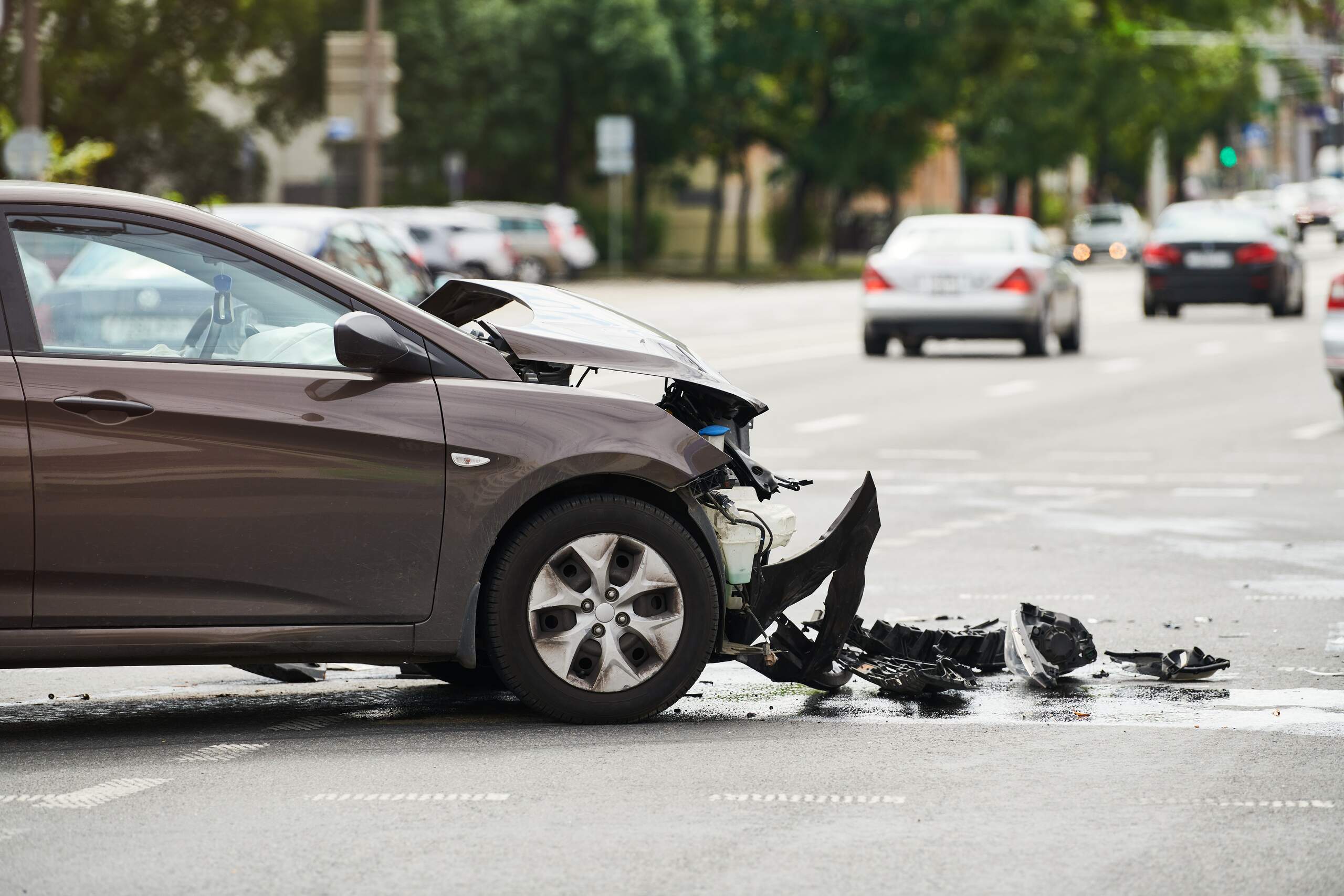
Rear-end collisions on I-81 near downtown Scranton are among the most common crashes we see, usually caused by a driver following too closely or checking a phone during stop-and-go traffic. T-bone crashes cluster around intersections like Lackawanna and Wyoming, where a driver running a yellow light meets someone already committed to a turn. Head-on collisions tend to happen on the two-lane stretches of Route 6 and Route 11 outside the city, often at night.
Distracted driving and drunk driving cases carry their own legal wrinkles, since a driver charged with DUI opens the door to punitive damages that aren’t available in an ordinary negligence case. Hit-and-run crashes are their own category entirely, and they usually mean turning to your own uninsured motorist coverage rather than the other driver’s policy. Rideshare accidents involving Uber or Lyft drivers add a layer of corporate insurance most people don’t expect, with coverage that can shift depending on whether the driver had a passenger in the car at the time of impact.
Winter adds another layer to all of this. Ice on the hill leading down toward Providence Square or a patch of black ice near the Steamtown Mall parking areas can turn an ordinary commute into a multi-car pileup within seconds, and fault in those crashes often comes down to whether a driver was going too fast for conditions rather than any single clear mistake. We’ve handled enough of these seasonal car accident cases to know which details an adjuster will try to argue away.

Full Tort or Limited Tort: Which One Do You Actually Have?
Most Scranton drivers couldn’t tell you which tort option they picked when they bought their policy, and that single choice can determine whether you’re allowed to sue for pain and suffering at all. Under 75 Pa.C.S. § 1705, Pennsylvania requires every driver to elect either full tort or limited tort coverage. Full tort keeps your right to pursue pain and suffering damages for any injury another driver caused.
Limited tort trades a lower premium for a real restriction: pain and suffering claims are only allowed if your injury meets the legal definition of serious, meaning permanent impairment, significant disfigurement, or death. A driver who chose limited tort to save a few dollars a month can find that decision costly after a crash on Route 6 leaves them with months of physical therapy that technically doesn’t clear the threshold. Exceptions exist for drunk driving crashes, and vehicles registered out of state, among others, and those exceptions can restore full tort rights even for a driver who originally elected limited tort.
Our attorneys review this election on every new case before doing anything else, because it changes how the entire claim gets built. A case that looks modest under limited tort can look very different once we confirm an exception applies.
What Happens If You Were Partly to Blame?
Pennsylvania follows a modified comparative negligence rule under 42 Pa.C.S. § 7102. You can still recover damages if you were 50% or less at fault for the crash, though your award gets reduced by whatever percentage of fault you carry. At 51% or more, Pennsylvania law bars you from recovering anything at all.
Picture a crash at Mulberry Street and Wyoming Avenue, where the other driver ran a stop sign, but you were also going slightly over the limit. If an insurer or jury assigns you 15% of the fault on a $60,000 claim, you still walk away with $51,000. The adjuster’s whole strategy often revolves around pushing that fault percentage as high as possible, sometimes past the 51% line, so the company doesn’t have to pay anything.
The Two-Year Clock You Didn’t Know Was Running
Pennsylvania gives you two years from the date of your crash to file a lawsuit under 42 Pa.C.S. § 5524, and negotiating with an insurance company doesn’t pause that clock. If your case ends up in litigation, it will most likely be filed at the Lackawanna County Court of Common Pleas in downtown Scranton, a few blocks from where a lot of these crashes actually happen.
Two years feels generous until you think about how quickly proof disappears. Dashcam footage and nearby business security cameras often get overwritten within days, and witnesses who saw the crash at Lackawanna and Wyoming move on with their lives quickly. Waiting months to get an attorney involved usually means losing access to evidence that would have made the case stronger.
Don’t wait on a deadline that’s shorter than it feels.
What If the Other Driver Wasn’t Insured?
Pennsylvania law requires insurers to offer uninsured and underinsured motorist coverage under 75 Pa.C.S. § 1731, though drivers can reject it in writing. If you carry this coverage and the driver who hit you had no insurance at all, or not enough to cover your injuries, your own policy can step in and pay the difference.
Hit-and-run crashes fall into this same category, since an unidentified driver is treated the same as an uninsured one under Pennsylvania law. We see this constantly with crashes near I-81, where a driver clips another car during a lane change and keeps going. Checking your own policy for uninsured and underinsured motorist coverage before you need it is one of the more overlooked pieces of protecting yourself on Scranton roads.
The Minutes After Impact That Matter Most
What you do in the first hour after a crash at Lackawanna and Wyoming, or anywhere else in Scranton, shapes the entire case that follows.
- Call 911 and get police documentation of the crash on record
- Photograph the vehicles, the intersection, and any visible injuries before anything gets moved or cleaned up
- Get medical care immediately, even if the pain feels minor at first
- Avoid admitting fault or apologizing at the scene, since those words can be used against you later
- Decline recorded statements to any insurance company until you’ve spoken with an attorney
- Call The Slocum Firm before you sign anything
Most of these steps take only a few minutes, but skipping even one of them gives an insurance company an opening they’ll use later to shrink your claim.

What Is Your Scranton Car Accident Case Actually Worth?
Compensation in a Pennsylvania car accident case typically starts with medical bills, both what you’ve already paid and what future treatment will cost, along with wages lost from missed shifts. Pain and suffering get added on top for clients who elected full tort or who meet the serious injury threshold under limited tort. Property damage to your vehicle usually rounds out the rest of the claim.
Some cases go further. Loss of enjoyment of life accounts for hobbies or activities that an injury takes away, loss of consortium covers the toll on a spouse or family, and punitive damages can apply in egregious cases like a drunk driving crash.
None of these numbers comes from a formula. They come from documentation: medical records, wage statements, and sometimes testimony from a doctor about what your future actually looks like now compared to before the crash.
A warehouse worker with a herniated disc from a T-bone crash on Route 6, for example, needs more than an emergency room bill to show the real cost of the injury. Surgery estimates, physical therapy projections, and a wage history showing exactly what shifts and overtime were lost all factor into what the case is genuinely worth, and skipping any of that documentation almost always means leaving money on the table.
Built in Scranton, Not Imported From Somewhere Else
The Slocum Firm has called Scranton home base since our first day in business, not a satellite office added later to chase search rankings. Between our attorneys, we bring more than 50 years of combined experience to Lackawanna County cases, and adjusters who work these files regularly know our name before we’ve even filed suit.
Most of our clients see their case resolved in under a year rather than dragged out for two or three. Every client who calls reaches an attorney directly, by phone or text, 24 hours a day, not an intake coordinator reading from a script somewhere outside the region.
That local knowledge shows up in small, practical ways. We know which Scranton intersections generate the most disputed liability cases, which local body shops give estimates that insurers tend to lowball, and which doctors in the area document injuries in the kind of detail that actually holds up during negotiation.
If you want a Scranton car accident lawyer who has spent more than a decade fighting for accident victims in this specific city, and not just Pennsylvania cases in general, The Slocum Firm is who Scranton calls first. Reach us at (570) 209-7376 whenever you’re ready to talk.
FAQs: Scranton Car Accident Lawyer
Here are answers to the questions we hear most from Scranton clients right after a crash.
How long do I have to file a car accident claim in Scranton, Pennsylvania?
You generally have two years from the date of the crash to file a lawsuit under Pennsylvania law. That deadline doesn’t move just because you’re still negotiating with an insurance company, so it’s worth getting your case evaluated well before the two years run out.
What if I have limited tort coverage? Can I still sue for pain and suffering?
Sometimes, yes. Limited tort restricts pain and suffering claims to injuries that meet a serious injury threshold, but exceptions exist for drunk driving crashes, out-of-state vehicles, and a handful of other situations that can restore your full tort rights.
What if the other driver was uninsured or underinsured?
Your own uninsured and underinsured motorist coverage, if you carry it, can step in to cover the gap. This is one of the more overlooked parts of a Pennsylvania auto policy, and a lot of Scranton drivers don’t realize they have it until they need it.
How much is my car accident case worth in Pennsylvania?
It depends on your medical bills, lost wages, the severity of your injury, and whether you elected full or limited tort coverage. Two crashes that look similar on paper can be worth very different amounts once documentation and long-term prognosis come into the picture.
Should I accept the insurance company’s first settlement offer?
Generally, no, especially before your injuries are fully diagnosed and treated. Once you accept a settlement and sign a release, that number is final, even if you later need surgery or ongoing therapy that the offer never accounted for.
What should I avoid saying to an insurance adjuster after a Scranton crash?
Avoid admitting fault, guessing at how you’re feeling, or agreeing to a recorded statement before you’ve talked to an attorney. Adjusters are trained to turn casual, polite answers into evidence that reduces what your claim is worth.
Reach The Slocum Firm Before You Talk to Anyone Else
Injured in a car accident in Scranton or anywhere in northeastern Pennsylvania? Call The Slocum Firm right now at (570) 209-7376. We’re available 24 hours a day, and you’ll speak directly with an attorney who works these cases in Lackawanna County every week, not an intake coordinator reading from a screen.
We’ve helped Scranton clients recover the compensation their cases were actually worth, and you pay nothing unless we win.