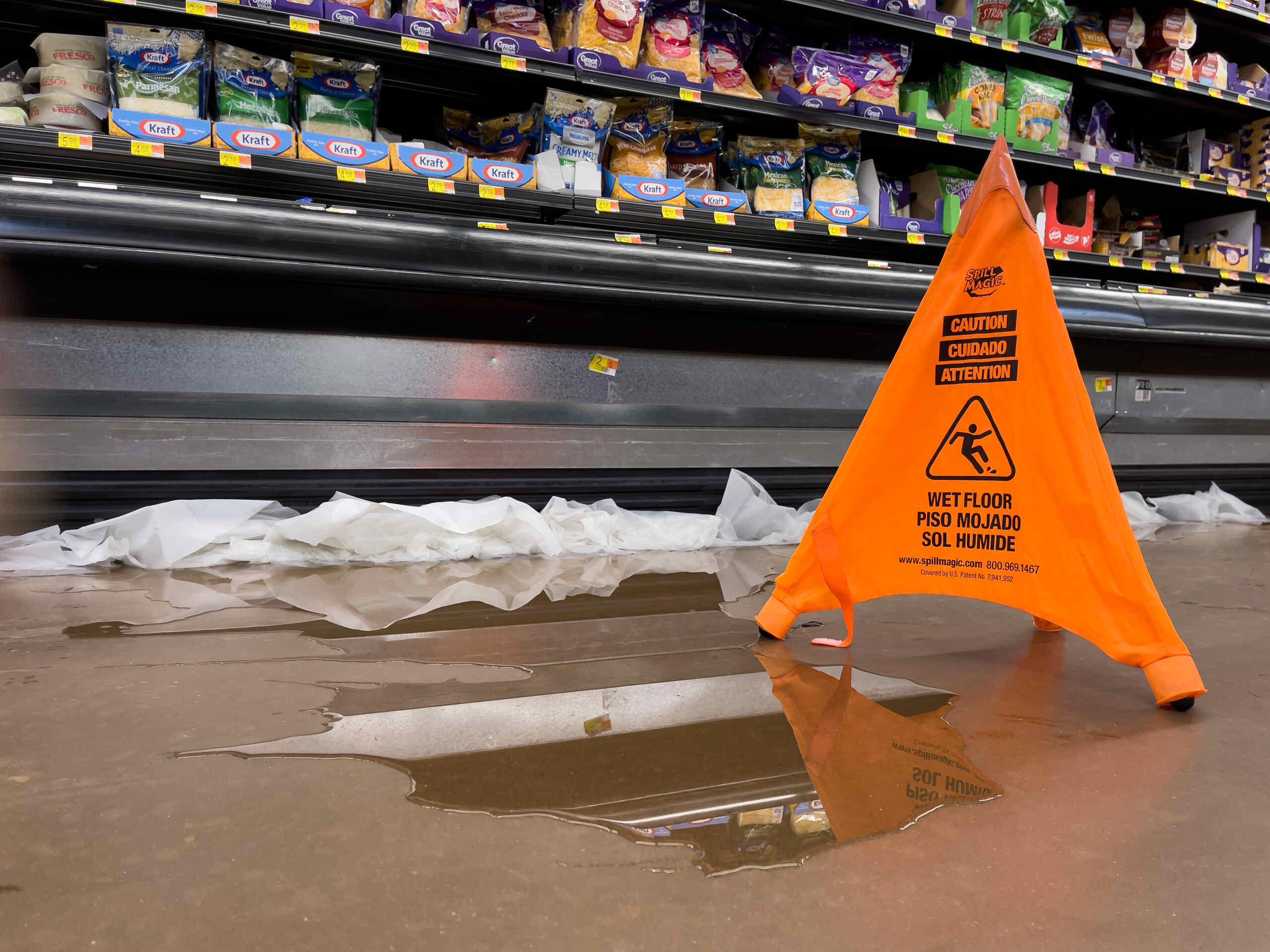
A serious burn caused by someone else’s negligence can entitle you to compensation that accounts for the full reality of what you’re living through, not just the hospital bill. The Slocum Firm builds these cases around that full picture, whether the burn came from a car crash, a building fire, a defective product, or an unsafe worksite. Few injuries are as immediately painful, or as permanently visible, and the psychological weight of carrying an injury that other people notice at a glance often outlasts the physical wound itself.
A Philadelphia burn injury lawyer who understands both the medical trajectory and the long-term financial picture changes what a case is worth. Call (570) 209-7376 anytime, day or night, and speak directly with an attorney.
How Burn Injuries Are Classified
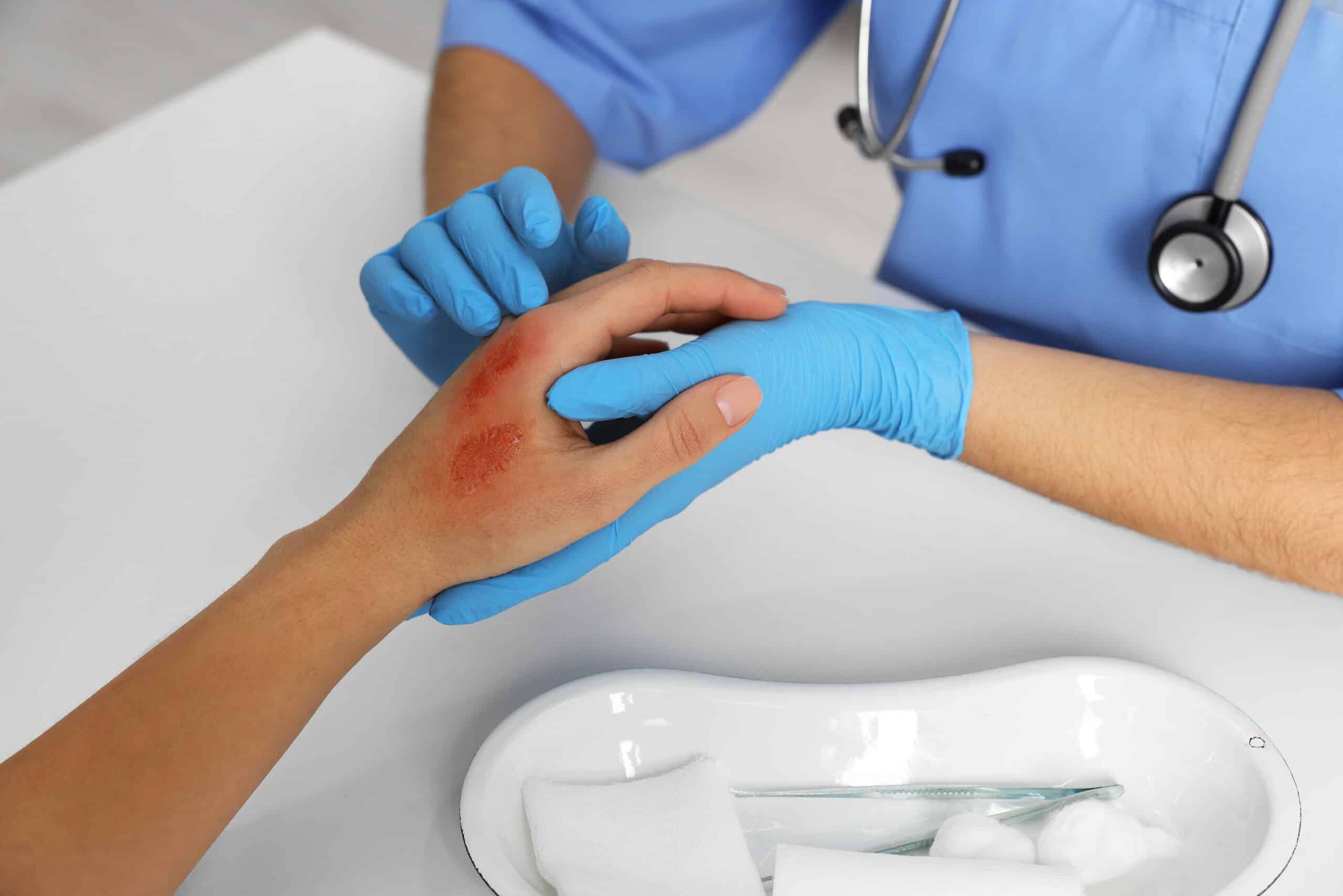
Burns are generally classified into four categories based on how deeply they penetrate the skin, and according to the National Library of Medicine’s patient health resource, that depth determines nearly every subsequent treatment decision. First-degree burns affect only the outer layer of skin and typically heal within about a week without lasting damage. Second-degree burns go deeper into the dermis, causing blistering, significant pain, and a real risk of permanent scarring depending on how much of the body is affected.
Third-degree burns destroy the full thickness of the skin and can be, counterintuitively, less painful than a second-degree burn because the nerve endings themselves have been destroyed. According to MedlinePlus’s clinical overview of burn classification, third-degree burns always scar and often require surgical intervention to heal at all. Fourth-degree burns extend beyond the skin into muscle, tendon, or bone, and are frequently life-threatening injuries requiring extended hospitalization.
This classification matters well beyond the emergency room. Insurance adjusters sometimes lean on a lower initial degree classification recorded at the scene or in triage to argue a case is worth less, without accounting for how a burn’s true depth often only becomes clear days later as damaged tissue reveals itself. A burn initially charted as second-degree can progress to third-degree once swelling subsides and the full extent of the damage becomes visible. A case built around the initial paperwork alone risks leaving real damages unaccounted for.
How Do These Injuries Actually Happen in Philadelphia?
Car accidents cause a meaningful share of the serious burn cases we handle, particularly fuel ignition and fires following high-speed collisions, and rear-end crashes involving commercial trucks carry an elevated risk, given the fuel and cargo often involved.
Premises liability burns follow a different pattern entirely, tracing back to defective wiring, gas leaks, and building fires where a landlord failed to maintain safe conditions in a property they were responsible for. Construction site explosions and fires produce some of the most severe burn injuries we see, often tied to violations of federal workplace safety rules like OSHA’s fire protection standards for construction sites, which require employers to maintain functioning fire protection equipment and a real fire prevention plan throughout a project.
Chemical exposure from industrial chemicals or even household cleaning products causes a distinct category of burn injury with its own treatment challenges. Defective products, including appliances, consumer electronics, and e-cigarette batteries that overheat or explode, account for another recurring source of these cases.
Electrical burns from utility line accidents or faulty wiring carry unique medical complications, since the visible skin damage often understates internal tissue and organ damage caused by the electrical current itself. Scalding injuries round out the picture, occurring frequently in restaurant settings and, troublingly, in cases of nursing home neglect where an elderly or disabled resident was left in water far hotter than it should have been.
Each of these causes tends to point toward a different defendant, and sometimes several at once. A rear-end truck crash that results in a fuel fire may involve the truck driver, the trucking company, and a separate maintenance contractor if a fuel system defect contributed to the fire. A scalding injury at a nursing home almost always raises questions about staffing levels and supervision protocols that go well beyond the moment the injury actually happened.

The Long Road From Burn Unit to Recovery
The medical journey after a serious burn rarely ends with the initial hospitalization. Treatment can mean multiple surgeries spread across months or years, ongoing wound care, and physical and occupational therapy to restore function and mobility that a burn can severely limit.
Philadelphia’s own Temple University Hospital Burn Center and Penn Medicine’s burn treatment program treat a significant share of the region’s serious burn injuries, and the treatment records generated at facilities like these often form the backbone of a case’s medical documentation. Psychological treatment for PTSD and depression is a standard part of recovery for many burn survivors, not an optional add-on, and reconstructive surgery often continues for years after the initial injury has technically healed.
Why Scarring and Disfigurement Belong in Every Settlement Conversation
Permanent scarring and disfigurement justify significant pain and suffering damages under Pennsylvania law, yet this remains one of the most consistently undervalued categories in burn injury cases. An insurance adjuster looking only at medical bills sees a number that reflects treatment cost, not the years of looking in a mirror at a body that doesn’t match the one a person had before the injury, or the social and professional consequences of a visible scar in daily life.
The Slocum Firm treats disfigurement as its own distinct category of loss requiring its own evidence, including photographic documentation over time, testimony about the emotional and social impact, and, where appropriate, professional input on how visible scarring affects a person’s psychological well-being. Undervaluing this category is one of the most common ways burn injury settlements fall short of what a case is genuinely worth.
Who Can Actually Be Held Liable for a Burn Injury?
Philadelphia landlords and building owners carry a legal duty to maintain safe conditions in the properties they control, and faulty wiring, gas leaks, inadequate smoke detectors, and blocked fire exits can all support a premises liability claim when they contribute to a fire or explosion. This duty applies whether the property is a rental apartment, a commercial building, or a mixed-use space, and it doesn’t disappear just because a landlord claims ignorance of a hazard they should have caught through reasonable inspection.
Products liability operates under a different legal theory entirely. The manufacturer of a defective product that causes a burn injury can be held strictly liable, meaning a claim doesn’t require proving the manufacturer was negligent, only that the product was defective and caused the harm. This distinction matters significantly in cases involving defective appliances, batteries, or consumer products, since it can open a path to recovery even when proving traditional negligence would be difficult.
These two theories, premises liability and products liability, sometimes overlap in a single case. A tenant burned by an exploding water heater, for example, might have a claim against a landlord who failed to maintain the unit and a separate claim against the manufacturer if the unit itself was defectively designed or built. Identifying every potentially liable party at the outset, rather than settling with the first insurer that responds, is often what separates a full recovery from a partial one.
What Damages Can a Philadelphia Burn Injury Case Recover?
Current and future medical bills form the foundation of most burn injury claims, covering the initial hospitalization, every graft surgery, and years of follow-up treatment and reconstructive procedures. Lost wages address income already missed, while lost earning capacity accounts for how a visible, permanent injury can affect someone’s career trajectory in ways a single paycheck doesn’t capture.
Pain and suffering and permanent disfigurement stand as their own significant categories, given the severity and visibility of these injuries, and psychological treatment costs, covering therapy for PTSD, depression, and body image struggles common after a serious burn, belong in the damages calculation alongside the physical treatment. Reconstructive surgeries, sometimes needed years after the initial injury as scar tissue matures and contracts, and home care during extended recovery periods round out what a properly built burn injury case should account for.
None of these categories exists in isolation from the others. A client facing years of reconstructive surgery is also likely facing years of missed work around each procedure, and psychological treatment costs often extend well past the point where physical healing has finished, since the emotional impact of a visible, permanent injury doesn’t follow the same timeline as tissue repair.

How Long Do You Have to File, and What About Defective Products?
Pennsylvania gives you two years from the date of injury to file a lawsuit under 42 Pa.C.S. § 5524. Product liability claims can carry their own specific considerations depending on when a product was manufactured, sold, and used, which is exactly why reaching out to an attorney immediately after a burn caused by a defective product matters, rather than waiting to see how recovery progresses before addressing the legal side.
The 51 Percent Rule in Burn Injury Cases
Pennsylvania follows a modified comparative negligence rule under 42 Pa.C.S. § 7102. You can still recover damages if you were 50% or less at fault for the incident that caused your burn, though your award gets reduced by your percentage of fault, and a finding of 51% or more bars recovery entirely. Insurers sometimes argue that an injured person contributed to their own burn, whether through how they were using a product, how close they were standing to a hazard, or some other framing designed to shift blame away from a negligent landlord, manufacturer, or driver.
We anticipate these arguments and build the liability case to withstand them from the beginning, rather than responding to them only after an insurer raises them during negotiations.
The Slocum Firm Fights for the Full Scope of a Burn Injury Case
Burn injury cases require pairing genuine compassion for what a client has survived with confident, well-documented legal advocacy, and The Slocum Firm brings both. Every client speaks directly with an attorney, 24 hours a day, not a case manager relaying updates secondhand.
Our recovery rate has stayed above 95% across the catastrophic injury cases we handle, and every case we take is on contingency, so a burn survivor already managing medical bills and lost income never pays anything up front. Results may vary. Prior case outcomes do not guarantee similar results.
If someone else’s negligence left you or a family member with a serious burn injury in Philadelphia, call The Slocum Firm at (570) 209-7376 and let us build the case around your full recovery, not just your first hospital stay.
A single crash can change lives in an instant; learn how the recent Sciota Fire and Burn Injuries incident on the Rt. 209 SB onramp highlights the tragic reality and complex recovery process after severe roadside fires.
FAQs: Philadelphia Burn Injury Lawyer
Here are answers to the questions burn injury survivors ask most in Philadelphia.
Who can be held liable for a burn injury in Pennsylvania?
Liability depends on how the burn happened, and can include a negligent driver, a landlord who failed to maintain safe conditions, a product manufacturer under strict liability, an employer whose worksite violated safety standards, or a business that caused a scalding injury through negligence. More than one party can share liability depending on the circumstances.
What compensation can I recover for permanent burn scars and disfigurement?
Pennsylvania law allows significant pain and suffering damages for permanent scarring and disfigurement, a category that often gets undervalued unless it’s specifically documented and pursued. Photographic evidence, personal testimony, and professional input on psychological impact all help establish the full value of this category.
How long do I have to file a burn injury lawsuit in Philadelphia?
You generally have two years from the date of injury under Pennsylvania law. Product liability cases can carry additional considerations, so consulting an attorney early is especially important if a defective product caused your burn.
What if my burn injury was caused by a defective product?
You may have a products liability claim against the manufacturer, which can involve strict liability rather than requiring proof of negligence. This applies to defective appliances, batteries, e-cigarettes, and other consumer products that malfunction and cause burns.
Can I sue my landlord if I was burned in a building fire due to faulty wiring?
Yes, if the landlord knew or should have known about the faulty wiring, gas leak, or other hazard and failed to fix it. Philadelphia landlords have a legal duty to maintain safe conditions, and a failure to meet that duty can support a premises liability claim.
Seriously Burned by Someone Else’s Negligence? Call Now
Seriously burned due to someone else’s negligence in Philadelphia? The Slocum Firm is ready to pursue the full compensation your case is actually worth, including compensation for permanent scars and disfigurement. Call (570) 209-7376 right now, available 24 hours a day, with direct attorney access and no fee unless we recover for you.