You may have a valid claim if you were hurt in a fall on someone else’s property, though in Pennsylvania that depends on more than the fall itself, and courts evaluate these cases closely. The Slocum Firm handles premises liability claims statewide, including falls in stores, apartment buildings, stairwells, and warehouses.
Whether a case succeeds often depends on three key factors: the nature of the hazard, why you were on the property, and how quickly the incident was documented. Serious injuries like fractures, torn ligaments, or spinal damage can lead to significant losses, but outcomes depend heavily on the evidence gathered early. Understanding how Pennsylvania law applies to your situation can help you make informed decisions before speaking with an attorney.
For a straight read on whether your fall is worth pursuing, call The Slocum Firm at (570) 209-7376 for a free case review. We answer around the clock, you speak directly with a Pennsylvania slip and fall attorney instead of an intake screener, and no fee comes out of your pocket unless we win.
Why are winter falls harder to win in Pennsylvania than people expect?


Snow and ice cases run on a rule that blindsides most fall victims. Under Pennsylvania’s hills and ridges doctrine, a property owner generally avoids liability for slippery conditions during a storm and for a reasonable stretch afterward. The law accepts that nobody keeps every surface bare through a Pennsylvania winter.
To recover from an icy fall, you carry the burden on three points. First, the snow or ice had piled into ridges or elevations large enough to obstruct travel and endanger pedestrians, not a thin, even glaze. Second, the owner had actual or constructive notice of that dangerous buildup. Third, those ridges, rather than your own misstep, caused you to go down.
Two exceptions crack the doctrine open. It does not cover an isolated patch of ice when the surrounding ground is otherwise clear, because a single patch is simple to treat and tough for a walker to spot.
It also collapses when the owner manufactured the ice, say through a leaking gutter or a shoveled snow mound that melted and refroze across a walkway. Picture a strip-mall lot off Route 6 where runoff from a clogged downspout sheets across the entrance and freezes overnight. That is not a natural accumulation, and the doctrine offers the owner no shield.
We pull weather records and timelines to pin down exactly when precipitation stopped, since the duty to act begins only after that moment, and we lean on forensic meteorologists when the storm’s end time decides the case.
Your status on the property decides what you were owed.
Pennsylvania does not measure every owner against the same yardstick. What they owed you turns on why you were there, and that label often settles the case before anyone argues about the hazard itself.
Invitees get the strongest footing. Walk into a store, a restaurant, an office, or anywhere open for business, and the owner has to inspect the premises and then fix or warn you about hidden dangers. That duty runs to regular inspections, not just to hazards an owner happens to notice.
Licensees, such as a social guest inside a private home, draw a narrower duty: the owner warns of known traps but has no job to go searching for them. Trespassers are owed little beyond freedom from deliberate harm, with narrow carve-outs for children lured by dangerous features.
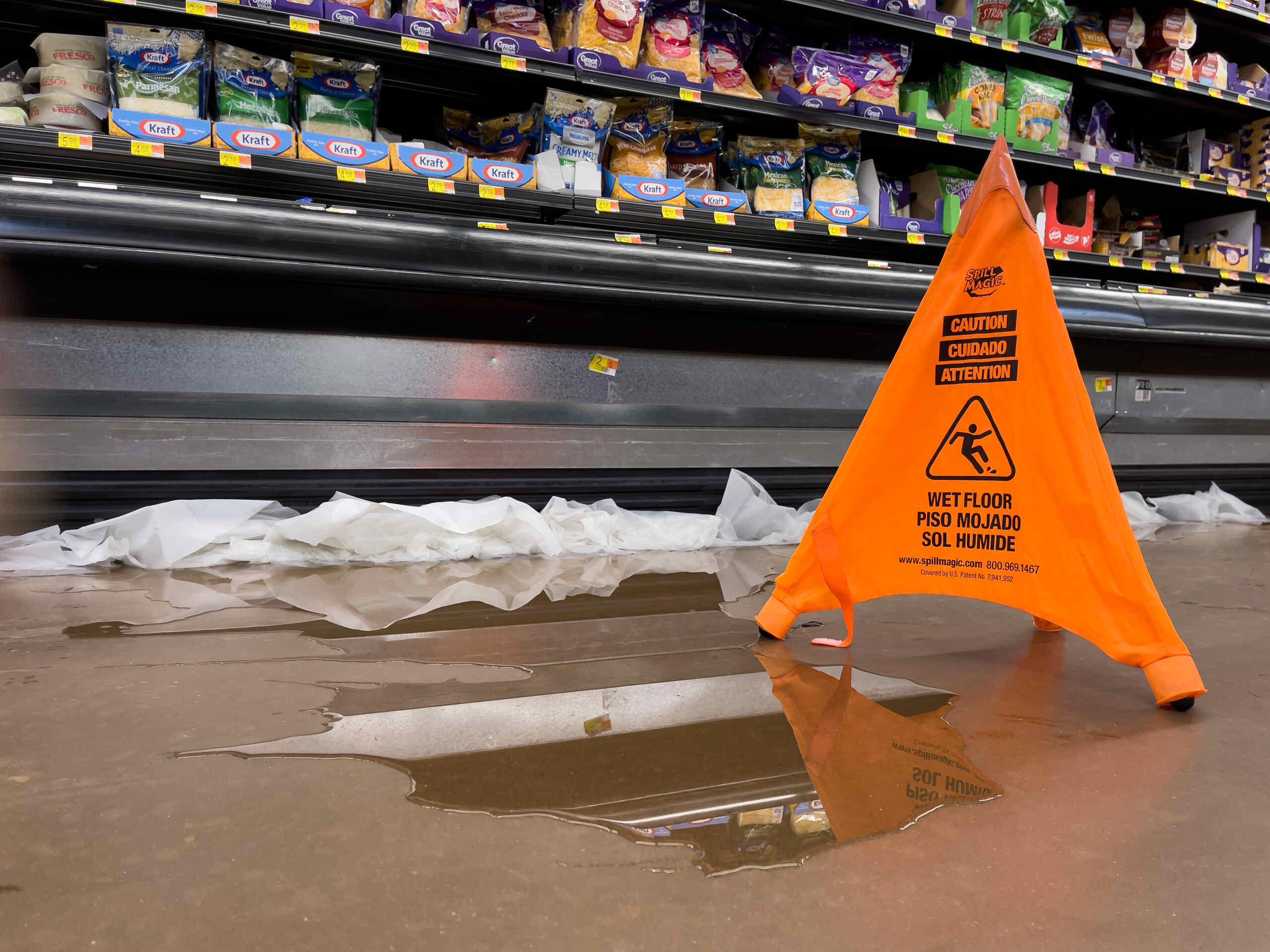
So the same wet floor pays out differently depending on where you stand. Slipping on an unmarked spill in a Wyoming Avenue grocery store is a far stronger slip and fall claim than catching your foot on a friend’s loose porch step.
How does sharing the blame change your payout?
Pennsylvania runs on modified comparative negligence, and it swings both ways. A jury hands a fault percentage to everyone involved, you included, and your recovery shrinks by your share. Cross fifty-one percent, and you walk away with nothing.
Picture a jury valuing your injuries at $100,000 but tagging you twenty percent at fault for glancing at your phone. You collect $80,000. Nudge that fault figure to fifty-one percent, and the whole award evaporates.
Defense lawyers know exactly where that cliff sits and pour their energy into pushing your number past the halfway mark. They point at your shoes, your pace, a sign you breezed past, the lighting you ignored, anything that drags the percentage up.
Preparing your case means seeing those arguments coming and taking them apart before a jury hears a word, which often starts with photographs of the scene taken the same day.

What insurers do to shrink a slip and fall claim
Property insurers seldom reject these claims flat out. They whittle them down instead. Expect three familiar moves.
They label the hazard open and obvious, insisting any careful person would have spotted and dodged it. Pennsylvania law has an answer: an obvious danger does not wipe out liability when the owner should have expected people to face it anyway, like a distracted shopper or a customer hauling bulky bags.
They challenge whether the fall actually caused your injury. Adjusters dig through medical records for any old back, knee, or shoulder complaint, then pin your pain on that history instead of the accident. Prompt treatment and a clean line between the fall and your diagnosis shut that tactic down.
They float a low number early, often before anyone knows whether surgery is coming. A check that looks decent in week two can fall miles short of a year of physical therapy and missing paychecks. We refuse to value a claim until the medical picture sharpens and the long-term cost of the injury comes into focus.
What can a Pennsylvania slip and fall claim recover?
A serious fall costs more than the first emergency-room bill, and your claim should reflect every layer of that loss. Compensation generally falls into two buckets.
Economic damages cover the dollars you can document: hospital and surgical bills, follow-up care, prescriptions, physical therapy, lost wages, and reduced earning power if the injury changes what work you can do. A shattered wrist that ends a tradesperson’s career carries a very different value than a sprain.
Non-economic damages cover what no invoice captures: pain, limited mobility, sleep you lose, and the hobbies or routines the injury takes from you. These figures are harder to prove and easier for insurers to dismiss, which is why we document them through treating physicians, vocational analysis, and, when warranted, life-care planners who project decades of future need.
Timing matters here as much as proof. Settling before you reach maximum medical improvement, the point where treatment has run its course, and your lasting limits are finally clear, almost always shortchanges you, because an injury that looks routine can worsen or require more care later.
We would rather wait until the outlook is clear than cash a quick check that leaves you covering tomorrow’s bills out of pocket. When an insurer refuses a fair figure, we prepare the file for trial rather than accept a discount as the price of avoiding a courtroom.
What should you do in the days after a fall?
The strongest cases get built in the first forty-eight hours, while the scene still tells the truth. Start by photographing the hazard from several angles before anyone cleans or repairs it, and capture the wider area so the lighting, signage, and surroundings are on record. Report the fall to a manager or owner, ask that they write an incident report, and request a copy before you leave the property.
Collect names and phone numbers from anyone who saw it happen, because those people scatter fast. See a doctor the same day, even if you feel only sore, since gaps in treatment hand insurers their favorite argument. Keep the shoes and clothes you wore, unwashed, in case the defense questions your footing.
Say little to the property’s representatives beyond the plain facts, and stay off social media about the incident, where one photo of you smiling at a later gathering gets twisted into proof you were never hurt. None of this requires a lawyer, yet every early step makes the eventual claim sturdier.
How long do you have to file in Pennsylvania?
The window is tighter than most people guess, and it never pauses while you heal. Pennsylvania allows two years from the date of the fall to file a lawsuit under 42 Pa.C.S. § 5524. Blow past it, and the court tosses even an airtight case without weighing the facts.
Two years feels roomy until you count the work that has to fill it. Surveillance footage gets recorded over within weeks. Incident reports disappear. Witnesses relocate and forget. The earlier an attorney fires off preservation letters and secures the evidence, the more weight you carry into negotiation. Delay almost never helps and often quietly buries a slip and fall accident claim.
Local ground we cover
Where you fell shapes how we build the file, in Scranton, our base since 2009, winter spills cluster on the steep grades, and aging sidewalks off Lackawanna Avenue and near Steamtown Mall, and those cases land in the Lackawanna County Court of Common Pleas, where we appear regularly.
The city’s older retail stock and freeze-thaw cycles off I-81 produce exactly the refrozen-runoff falls the hills and ridges exceptions were built for.
Philadelphia brings dense foot traffic, old row-home stoops, and packed retail corridors off Market Street, with filings routed to the Philadelphia County Court of Common Pleas, where juries see these cases constantly and judge them on the proof.
Around Allentown and the broader Lehigh Valley, warehouse and big-box retail floors near Lehigh Street and Route 22 feed a steady stream of falls, many tied to spills and pallet debris on hard concrete.
Knowing the local court, the local weather record, and the local property patterns is not window dressing. It steers which evidence we chase and how we frame the story for the neighbors most likely to sit on your jury.
If you are weighing whether your fall is worth pursuing, a phone call costs you nothing but ten minutes. Reach a Scranton slip and fall attorney at (570) 209-7376 at any hour, day, or night.

Frequently asked questions
What does it cost to hire a Pennsylvania slip and fall lawyer?
Nothing upfront. The Slocum Firm works on contingency, so you face no hourly rate and no retainer. Our fee comes solely as a slice of what we recover, which means if we lose, you owe us no attorney fee whatsoever. That arrangement keeps the courthouse open to people who could never write a five-figure check to get started.
I fell on city property. Is that claim handled differently?
Yes, and the deadline turns severe. A claim against a Pennsylvania government body demands written notice within six months of the injury under 42 Pa.C.S. § 5522, far ahead of the usual two-year mark. Statutes also cap the damages you can collect from a city or county. Move quickly and call before that notice clock runs out, because courts rarely forgive a missed government deadline.
There is no video and no witnesses. Do I still have a case?
Often, yes. You can establish that an owner should have known about a hazard through constructive notice by showing the danger sat there long enough that a reasonable inspection would have caught it. Cleaning schedules, repeat-complaint records, prior incident history, and the very condition of the spill or broken step can carry a case with no footage at all.
An adjuster asked me to give a recorded statement. Should I?
Not before you speak with counsel. Adjusters use recorded statements to lock you into early words about your fault or your symptoms, then replay them later to discount what you are owed. You are not obligated to give one. Decline politely and let your attorney field the insurer’s questions.
Talk to The Slocum Firm before the trail goes cold.
Call The Slocum Firm at (570) 209-7376 and speak with a Pennsylvania slip and fall attorney yourself, not an intake screener reading from a script. Someone picks up around the clock, every consultation is free, and no fee leaves your pocket unless we win money for you.
Whether you went down in Scranton, Philadelphia, or Allentown, get an honest read on what your claim is worth while the evidence is still there to gather, and on what comes next.