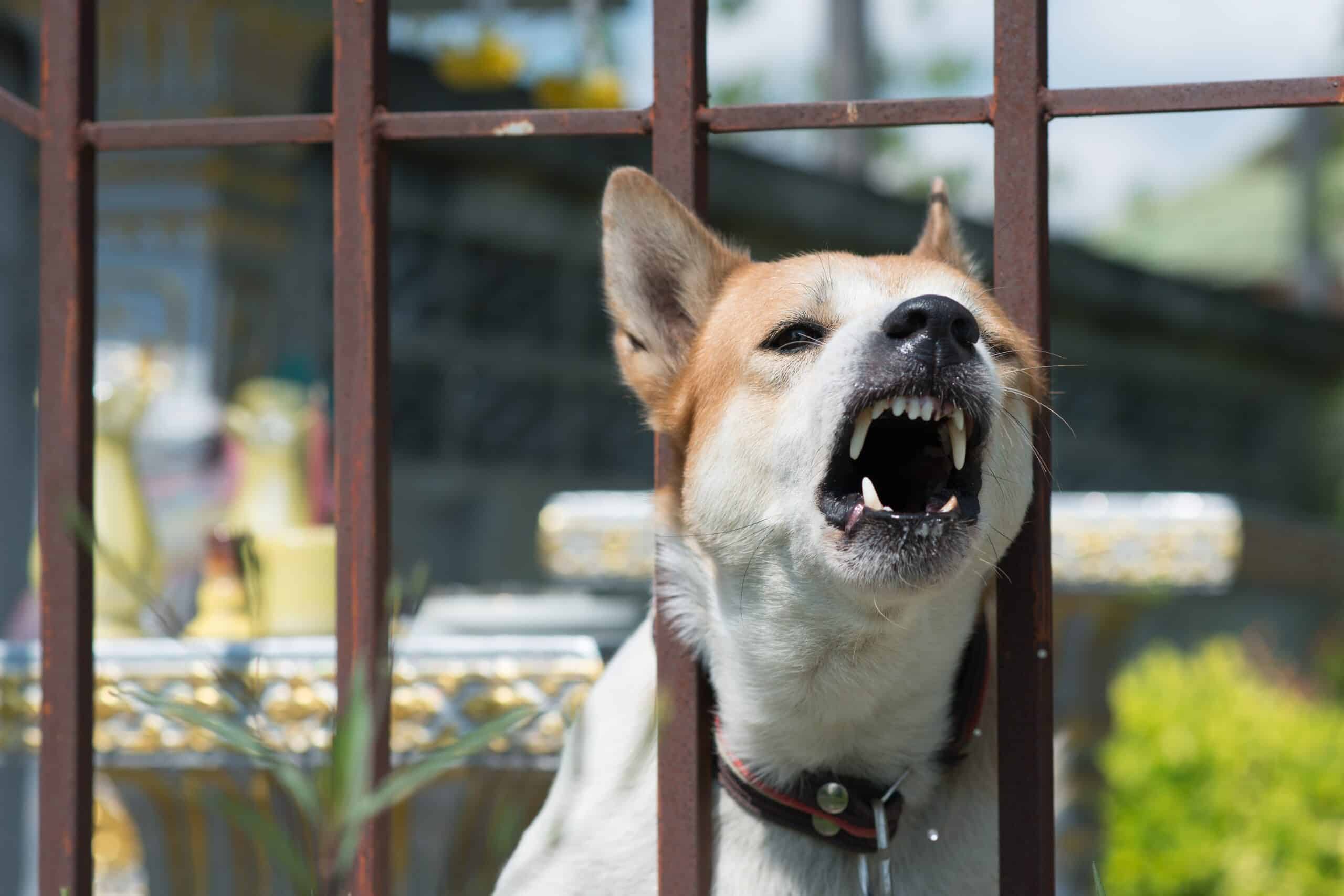
Most people assume Pennsylvania follows a strict one-bite rule, meaning a dog automatically gets a free pass for its first attack before an owner becomes liable for anything. That’s not accurate.
Pennsylvania law allows a dog bite victim to recover compensation even on a first bite, depending on what the owner knew or should have known about the animal beforehand. A dog bite attorney at The Slocum Firm can explain exactly what you’re entitled to recover, whether the dog belonged to a neighbor, a landlord’s tenant, or a stranger, and the consultation costs nothing.
Call or text (570) 209-7376 any hour of the day to speak directly with a Pennsylvania dog bite attorney, not a call center, and get a straight answer. You pay no fee unless we recover for you.
How Pennsylvania’s Dog Bite Law Actually Works
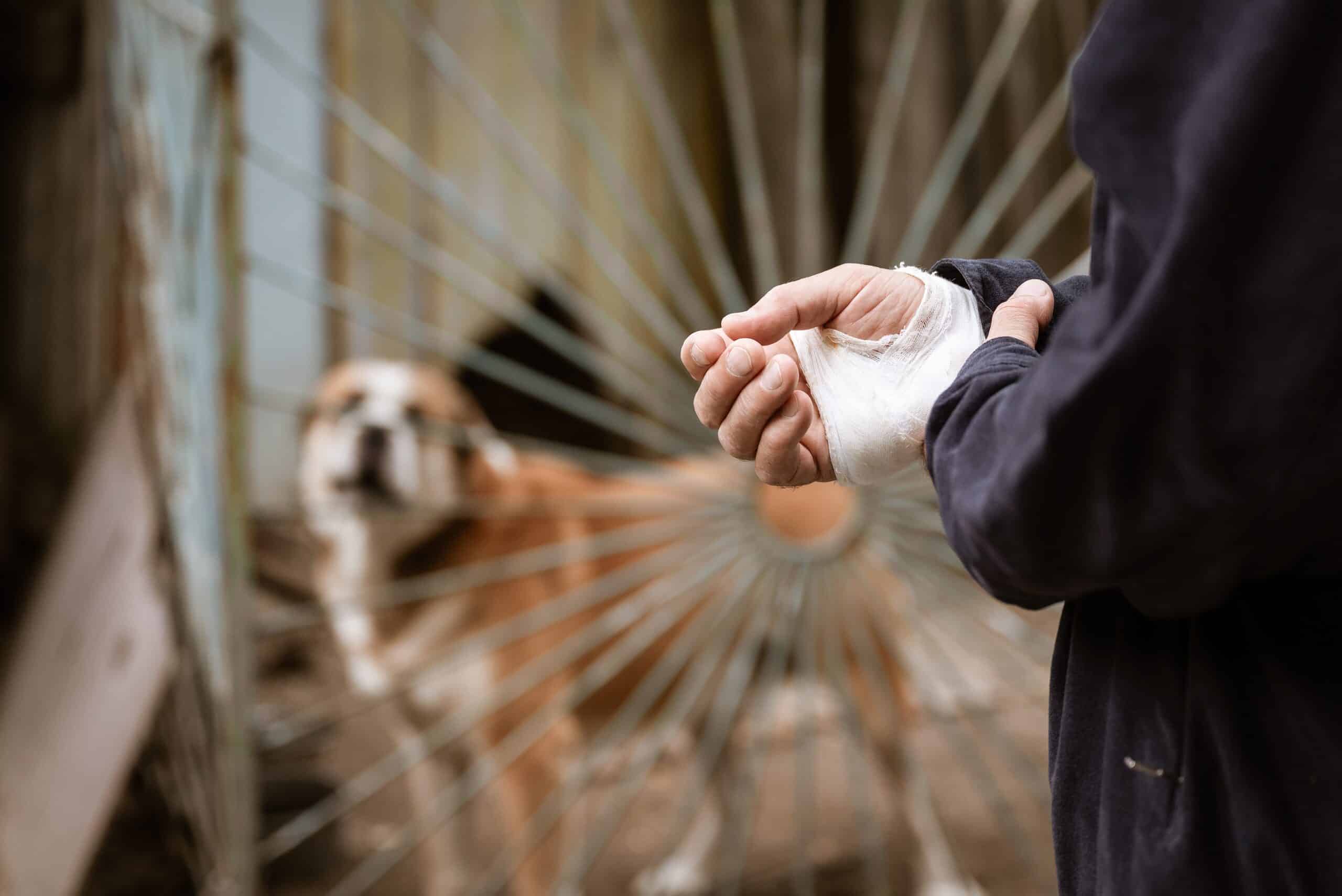
Pennsylvania law treats dog bite claims differently depending on the damages you seek. Under 3 P.S. § 459-502 and 3 P.S. § 459-305, a dog owner is generally strictly liable for reasonable medical expenses, even if the dog had never shown aggression before.
However, recovering damages beyond medical bills, such as pain and suffering, lost wages, scarring, or emotional distress, usually requires proving the owner was negligent or knew the dog had dangerous tendencies. Evidence of prior aggressive behavior, even without a previous bite, can strengthen your claim for full compensation.
What Counts as a Dangerous Dog Under Pennsylvania Law
Pennsylvania courts can classify a dog as dangerous after a serious attack or repeated aggressive behavior, under 3 P.S. Section 459-502-A. Once a dog is designated dangerous, its owner must follow strict rules for confinement, insurance, and warning signs.
Even without a formal designation, prior complaints to animal control or local authorities can help show the owner knew the animal posed a risk. Our attorneys obtain these records early, since they often provide important evidence of negligence.
We also check whether the owner violated a local leash or containment ordinance, since those violations can further strengthen a claim after an attack.

Comparative Negligence and Provocation
For the negligence part of a dog bite claim, Pennsylvania applies a modified comparative negligence rule, codified at 42 Pa. Cons. Stat. Section 7102. If your own actions contributed to the attack, your non-medical damages can be reduced by your share of fault.
And if you are found more than 50 percent responsible, that rule bars recovery of those damages entirely.
Dog owners often argue that the victim provoked the animal, but not every interaction qualifies as legal provocation. Our attorneys challenge unsupported provocation claims and work to show when the owner’s negligence, not the victim’s conduct, caused the attack.
Homeowners and Renters Insurance Almost Always Pays
Most Pennsylvania dog bite claims are paid through the dog owner’s homeowners or renters insurance rather than personal funds. That means you are usually negotiating with an insurance company whose goal is to limit payouts.
Coverage disputes can also arise if the policy excludes certain breeds or if the owner failed to disclose the dog’s history when obtaining insurance. Our attorneys review the policy and investigate potential coverage issues early to identify the strongest path toward recovering full compensation for your injuries.
A dog’s history is often the difference between recovering only medical bills and recovering the full value of your injury.
Why Children Face Different Risks and Different Legal Considerations
Children under a certain age generally can’t be held to the same standard as an adult when it comes to provoking a dog, since they often lack the judgment to recognize warning signs like raised hackles, a stiffened body, or a low growl. Pennsylvania courts account for this reduced capacity when evaluating comparative negligence arguments raised against a child victim.
Children often suffer more serious dog bite injuries than adults, and the effects can last for years as the child grows. That makes the long-term cost of a child’s injury far larger than the first medical bill suggests.
Documenting the full scope of a child’s injury, including anticipated future care, requires coordination with treating physicians and sometimes a life care planner to project those costs accurately, so a settlement reflects what the child will actually need over time.
Postal Workers, Delivery Drivers, and Utility Employees
Workers who enter private property on the job, such as mail carriers, delivery drivers, meter readers, and utility technicians, face elevated dog bite risk, since they so often encounter unfamiliar animals on unfamiliar properties.
Under Pennsylvania premises law, these workers generally count as invitees or licensees, categories of lawful visitors the property owner has a duty to keep reasonably safe. That status affects the duty of care owed to them at the time of the attack.
A bite on the job can give you two claims at once: a workers’ compensation claim through your employer, and a separate dog bite claim against the property owner. Workers’ compensation generally bars you from suing your own employer, but it does not bar a claim against a third party whose dog caused the injury.
Pursuing both requires careful coordination so you don’t lose benefits while pursuing the additional recovery. Text or call (570) 209-7376 any time, day or night, to reach a Pennsylvania dog bite attorney directly if your injury happened while you were working. The review is free, and you owe no fee unless we recover for you.
Multiple Dog Attacks and Shared Liability
Some of the most severe dog bite cases involve more than one animal, whether two dogs owned by the same person or animals belonging to different owners on the same property. Pennsylvania law allows for shared liability in these situations, but proving which dog caused which specific injury, and which owner knew about which dog’s dangerous propensities, requires detailed investigation.
Animal control reports, veterinary records showing prior aggressive incidents, and witness accounts of which dog initiated the attack all become critical evidence in multi-dog cases. Our attorneys pull these records from every available source rather than accepting a single owner’s account of what happened, since owners facing shared liability sometimes have an incentive to shift blame toward whichever dog or owner carries less insurance coverage.
These cases also tend to involve more serious injuries than single-dog attacks, since pack behavior can escalate an incident quickly once one animal becomes aggressive.
Establishing how the attack unfolded, including which dog made first contact and whether either owner had separated the animals beforehand, often requires reconstructing events through multiple witness accounts rather than a single perspective.
When a Landlord May Share Liability
Most dog bite claims are brought against the dog’s owner, but a landlord may also be liable in certain situations. If a landlord knew a dangerous dog was on the property and failed to take reasonable steps to address the risk, they may share responsibility for an attack.
This issue commonly arises in apartment buildings and other rental properties where attacks occur in common areas. Our attorneys investigate prior complaints, lease violations, animal control records, and property ownership to determine whether a landlord’s negligence contributed to the attack and whether additional insurance coverage may be available.

How Settlements Get Negotiated With Dog Bite Insurers
Homeowners and renters insurance policies typically include specific liability limits for dog bite claims, sometimes lower than the general liability limits that apply to other types of injuries on the property. Some insurers cap dog bite payouts specifically or exclude certain breeds from coverage entirely, regardless of an individual dog’s actual behavior history.
Understanding these policy limits early shapes how a claim gets valued and negotiated. If a severe injury exceeds the available coverage, our attorneys evaluate whether the owner has personal assets worth pursuing beyond the limits or whether an umbrella policy extends coverage further than the base homeowners policy.
Negotiations typically begin with a documented demand package showing medical costs, lost wages, and the long-term impact of the injury, followed by back-and-forth that can take weeks or, in more severe cases, several months before reaching a fair resolution.
What to Do Immediately After a Dog Bite
Seek medical treatment right away, even for what seems like a minor bite. A prompt medical record documents the injury and anchors your claim. Photograph your injuries over the days that follow, since their appearance changes and the early photos matter.
Get the dog owner’s full name, address, and insurance information if possible, along with confirmation of the dog’s current rabies vaccination status. Report the incident promptly to local animal control, since this creates an official, independent record that exists regardless of anything the owner might later try to dispute.
Avoid giving a recorded statement to the owner’s insurance company before speaking with an attorney, since these statements often get used to minimize your claim’s value later.
See how local safety laws protect victims after a dangerous encounter by reading our report on a recent Pennsylvania dog bite on S. Edgewood St.
Pennsylvania’s Statute of Limitations for Dog Bite Claims
You generally have two full years from the date of the attack to file a personal injury lawsuit in Pennsylvania. This deadline applies whether you’re pursuing a strict liability claim for medical costs or a negligence claim for broader damages.
Waiting close to this deadline limits your attorney’s ability to investigate the dog’s history thoroughly, since witnesses move, animal control records can be harder to retrieve, and an owner’s insurance situation may change.
Claims involving a minor sometimes allow for an extended filing window, though the underlying evidence still degrades the longer a case sits. Memories fade, dogs with aggressive histories sometimes get rehomed or die, and coverage can shift if a policy lapses or the owner moves.
Acting promptly preserves your strongest path to full recovery, regardless of which deadline technically applies to your situation.
If you were injured in Scranton or anywhere else in Pennsylvania, learn how your compensation is calculated by reading our guide on Scranton dog bite medical bills vs. pain and suffering.
Frequently Asked Questions
Do I still have a case if the dog had never bitten anyone before?
Yes. Pennsylvania’s strict liability rule covers your medical expenses regardless of the dog’s bite history. Recovering additional damages beyond medical costs depends on what the owner knew or should have known about the dog’s behavior.
Can I file a claim against a neighbor I’m still on good terms with?
Yes, and most claims like this get paid through the neighbor’s homeowners’ insurance rather than their personal funds, which is worth keeping in mind if you’re hesitant to pursue a claim against someone you know.
What if the dog that bit me was a stray with no identifiable owner?
You may still have options through your own insurance policy or, in some cases, through a property owner who knew a stray animal was present and failed to address the risk. Each situation requires a closer look at the specific facts involved.
Does my own dog’s breed affect whether I have a claim if I was bitten by someone else’s dog?
No. Your own pet ownership has no bearing on a claim for an injury caused by someone else’s dog. Pennsylvania evaluates the claim based on the owner’s responsibility and what they knew about their animal, not on whether you happen to own a dog yourself.
How much is my dog bite case worth?
It depends on the severity of your injuries, scarring, required medical treatment, and whether the owner had a documented history of the dog’s aggressive behavior. We can give you a realistic estimate after reviewing your medical records and the circumstances of the attack.
What if animal control already removed or euthanized the dog?
That doesn’t affect your right to pursue compensation. Your claim is against the owner’s liability, not the animal itself, and any animal control action taken afterward becomes part of the evidence supporting your case rather than a substitute for it.
Working With The Slocum Firm on Your Dog Bite Claim
Our attorneys have handled dog bite claims across Pennsylvania, from straightforward medical cost recoveries to serious cases involving children and dogs with aggressive histories. Our recovery rate is above 95 percent, and most cases resolve in under a year. Results may vary. Prior case outcomes do not guarantee similar results.
You can call or text one of our lawyers directly, at any hour of the day, rather than waiting in a call center.
We take dog bite cases on contingency, so you owe nothing upfront and nothing at all unless we recover compensation on your behalf.
With over 50 years of combined experience, we understand how homeowners’ insurers evaluate these claims. We build cases that account for both the strict-liability medical costs you are automatically entitled to and the additional damages a thorough investigation often uncovers about what the owner knew.
Call (570) 209-7376 right now to speak directly with a Pennsylvania dog bite lawyer about your situation. Consultations are always free, available any time of day by phone or text, and our bilingual staff can walk Spanish-speaking callers through every step of the process in their preferred language from the very first conversation.