If you’re injured as a passenger in Pennsylvania, whether in a friend’s car or an Uber, you usually must turn to your own auto insurance first for medical benefits, even if you weren’t driving and even if the crash wasn’t your fault.
That surprises many people. After a trip to the ER, the last thing you want to worry about is insurance paperwork. Yet Pennsylvania’s no-fault system creates a strict “priority of coverage” that determines whose insurance policy pays first. Understanding that hierarchy can mean the difference between bills being covered quickly or being sent to collections.
Let’s review how medical benefits in a rideshare accident in PA work, how the priority rules apply, when you might use your own car insurance for an Uber accident, and what happens in severe injury cases involving catastrophic loss benefits in PA.
Key Takeaways About Who Pays Medical Bills for an Injured Passenger in Pennsylvania
- Pennsylvania is a no-fault medical state, meaning your own auto insurance typically pays first for medical expenses, regardless of who caused the crash.
- Even if you were a passenger in an Uber or Lyft, you may have to use your own Personal Injury Protection (PIP) benefits first.
- The priority of medical coverage follows a strict order: your own auto policy → a resident relative’s policy → the driver’s policy.
- Health insurance usually becomes secondary after available auto medical benefits are exhausted.
- Pennsylvania auto policies typically include at least $5,000 in medical benefits, but higher limits are available.
- Catastrophic injury cases may involve extended benefits, including wage loss, long-term care, and additional compensation claims.
- Confusion over coordination of benefits is common, especially in rideshare accidents, but understanding the hierarchy can prevent delays in treatment and billing disputes.
Pennsylvania’s No-Fault System: Why Fault Doesn’t Matter for Medical Bills
Pennsylvania operates under a choice no-fault auto insurance system. While drivers choose between limited tort and full tort for injury claims, medical benefits are paid without regard to fault.
That means:
- It doesn’t matter who caused the accident.
- It doesn’t matter whether you were driving.
- It doesn’t matter if you were in a private vehicle or an Uber.
Medical expenses are paid through Personal Injury Protection (PIP) coverage—also called first-party benefits. Every
Pennsylvania auto policy must carry at least $5,000 in medical benefits coverage, though many drivers purchase higher limits such as $10,000, $25,000, or more.
The Priority of Medical Coverage in Pennsylvania
This is where things can get confusing. When you’re injured as a passenger, Pennsylvania law sets a strict order of priority for medical benefits. Insurance companies follow this hierarchy closely.
First Priority: Your Own Auto Insurance Policy
If you own a car and have auto insurance, your own policy pays first for your medical expenses even if:
- You weren’t driving
- You were in someone else’s car
- The other driver was completely at fault
This first level of coverage even applies in a rideshare crash, where you are basically using your own car insurance for an Uber accident. It feels counterintuitive, but under Pennsylvania’s Motor Vehicle Financial Responsibility Law (MVFRL), your own insurer is first in line to pay your medical expenses.
Second Priority: A Resident Relative’s Policy
If you don’t own a vehicle, the next level of coverage comes from:
- A spouse you live with
- A parent (if you’re a minor or dependent adult)
- Another household relative with an auto policy
You must live in the same household as the policyholder to qualify for coverage.
Third Priority: The Driver’s Policy
If neither of the first two coverages applies, the driver’s insurance company becomes responsible. This means that if you:
- Don’t own a car
- Don’t live with someone who has car insurance
Then the driver’s policy (including Uber’s commercial coverage) becomes the primary coverage.
What Happens in a Rideshare Accident in Pennsylvania?
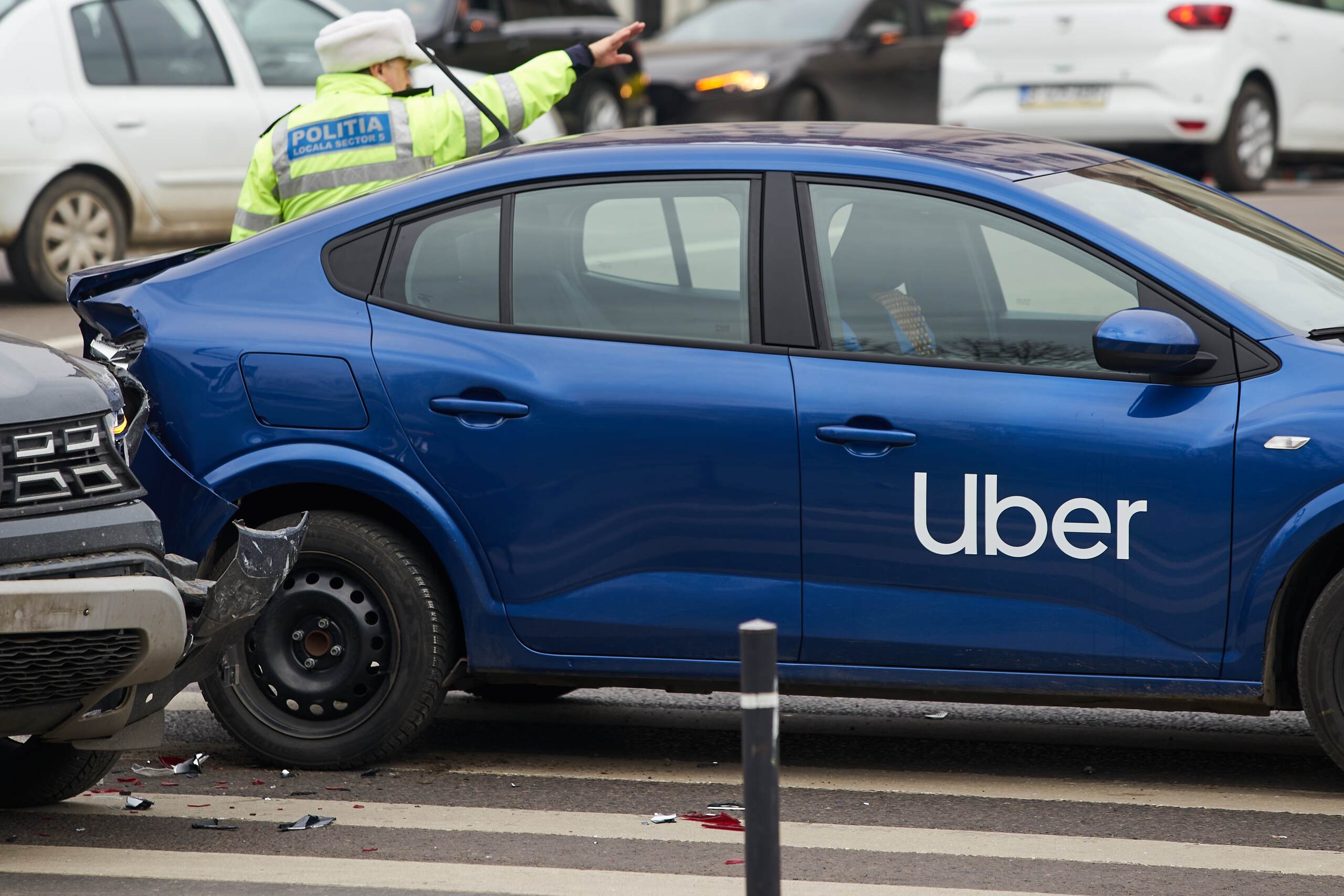
Rideshare crashes create additional confusion. Many passengers injured in an Uber accident likely wonder if they should use their health insurance or Uber’s insurance for the ER expenses. The answer depends on the priority rules.
If You Own a Car
Your own auto policy’s PIP coverage pays first. Uber’s insurance does not automatically become primary just because you were in an Uber.
If You Do Not Own a Car
Then the hierarchy applies:
- A resident relative’s policy pays first
- Uber driver’s policy comes second
Uber and Lyft provide substantial liability coverage—up to $1 million when a ride is in progress—but that primarily applies to liability claims, not first-party medical benefits if you have your own coverage. The Pennsylvania Public Utility Commission’s transportation network company (TNC) controls rideshare insurance requirements in our state to protect riders.
What About Health Insurance?
Health insurance generally becomes secondary after available auto medical benefits are exhausted. Here’s how coordination of health benefits usually works:
- Your auto insurer pays medical bills first (up to policy limits).
- Once those benefits are exhausted, your health insurance may begin covering treatment.
- Your health insurer may later seek reimbursement (subrogation) from any injury settlement you receive from an at-fault party.
Hospitals and providers often bill auto insurance first in motor vehicle accidents. If you skip that step and bill health insurance prematurely, claims can be denied or delayed.
How Much Does PIP Actually Cover?
Pennsylvania Rideshare Insurance policies usually don’t use the term “personal injury protection” on the policy declarations page. Instead, look for “first-party benefits” or “medical expense benefits” to understand the coverage commonly referred to as PIP.
Minimum medical benefits coverage in Pennsylvania is $5,000, but serious accidents can quickly exceed that amount. PIP typically covers:
- Emergency room visits
- Ambulance transport
- Hospital stays
- Surgery
- Diagnostic imaging (CT scans, MRIs)
- Physical therapy
- Follow-up appointments
It does not automatically cover:
- Pain and suffering
- Long-term wage loss (unless you purchased wage-loss benefits)
- Property damage
That’s where liability claims against the at-fault driver may come into play.
Limited Tort vs. Full Tort and Why It Matters
Pennsylvania drivers choose between:
- Limited Tort (offers a restricted right to sue for pain and suffering)
- Full Tort (carries an unrestricted right to sue for non-economic losses)
This choice does not affect who pays your medical bills initially, but it does affect your ability to recover non-economic damages later. Under limited tort, you must prove a “serious injury” to pursue pain and suffering damages, while full tort allows broader recovery of more losses.
Catastrophic Loss Benefits in Pennsylvania
In severe crashes involving traumatic brain injuries, spinal cord damage, amputations, or permanent disability, the conversation shifts beyond basic PIP limits. Catastrophic injury cases may involve:
- Extended medical treatment
- Long-term rehabilitation
- Home health care
- Modifications to your residence
- Future lost earning capacity
While Pennsylvania does not automatically provide unlimited PIP benefits, certain policies may include higher medical limits. In catastrophic cases, injured passengers often pursue:
- Liability claims against negligent drivers
- Claims against rideshare companies (depending on circumstances)
- Underinsured motorist (UIM) claims
Because catastrophic loss benefits in PA can involve multiple policies and layers of insurance, early legal guidance becomes especially important. Consult with an experienced car accident lawyer to learn which policies may apply to your situation and how you can protect your right to receive the maximum amount of compensation possible.
What If Multiple Vehicles Were Involved?
Multi-car collisions add complexity but do not change the priority order for medical benefits.
Even in:
- Chain-reaction crashes on I-81
- Collisions on Route 6
- Busy urban intersections
Your own policy remains primary if you have one. Determining who was at fault only becomes central when pursuing compensation beyond medical benefits.
Common Mistakes That Delay Medical Payments
Passengers often encounter billing problems because:
- They provide health insurance information first
- They assume Uber pays automatically
- They don’t notify their own auto insurer promptly
- They misunderstand the priority of coverage
- They fail to document injuries early
Prompt reporting to the correct insurance company is important. While Pennsylvania’s statute of limitations for personal injury claims is two years, delays in notifying insurers can create administrative issues well before you need to file a lawsuit.
What If You Don’t Have Any Insurance?
If you don’t own a vehicle and don’t live with someone who owns a vehicle, then the driver’s auto policy becomes primary. In an Uber accident, that would generally mean the rideshare driver’s policy applies.
If that coverage is insufficient, other options may include bringing an uninsured or underinsured motorist claim. Talk to a PA auto accident lawyer to learn more about these options.
What Happens After PIP Is Exhausted?
When medical bills exceed available PIP coverage:
- Health insurance typically steps in.
- You may pursue a liability claim for additional compensation.
- Settlement negotiations may include reimbursement for out-of-pocket medical expenses.
In significant injury cases, total damages often include:
- Medical expenses (past and future)
- Lost wages
- Reduced earning capacity
- Pain and suffering (if eligible)
- Loss of enjoyment of life
It can be challenging to place a value on many of these types of damages. Work with a dedicated personal injury lawyer to ensure all of your losses are included and fairly valued in any settlement demand.

How Fault Still Matters in the Bigger Picture
Although medical benefits are no-fault, Pennsylvania follows a modified comparative negligence rule for injury claims. If more than one person is responsible for an accident, the fault can be divided among all liable parties, even the person who was injured in the crash.
If you are found partially responsible for an accident, under this rule, your monetary recovery is reduced by your percentage of fault. However, if you are more than 50% at fault, you cannot recover damages at all.
Passengers in car crashes are rarely assigned significant fault, but unusual situations (like interfering with a driver) could raise issues. In those cases, a skilled auto crash attorney can help determine the responsibility of all liable parties and help protect your ability to receive compensation.
Why Understanding Priority of Care Protects You
When you understand the hierarchy:
- You avoid billing disputes.
- You prevent coverage denials.
- You ensure faster payment for treatment.
- You reduce stress during recovery.
Insurance adjusters follow strict rules. Knowing them helps you avoid costly mistakes.
Frequently Asked Questions About Injured Passenger’s Medical Bill Payments
Can I choose to use Uber’s insurance instead of my own auto insurance?
Generally, no. Pennsylvania’s priority rules require your own auto insurer to pay first if you have coverage. Uber’s policy typically becomes primary only if you do not have your own insurance or resident-relative coverage.
What if my auto insurance policy only has $5,000 in medical benefits?
Once that amount is exhausted, your health insurance usually covers ongoing treatment. You may also pursue a liability claim for additional damages if another party was at fault.
Will filing a PIP claim increase my insurance premiums?
PIP claims are no-fault, but insurers evaluate risk differently. While they are not supposed to penalize you for being an innocent passenger, premium decisions vary by company.
How long do I have to file a claim for injuries from a car accident in Pennsylvania?
You generally have two years from the date of the accident to file a personal injury lawsuit. However, insurance claims should be reported much sooner to avoid complications.
Talk to a Pennsylvania Personal Injury Attorney at The Slocum Firm About Your Options
Understanding who pays your medical bills after a passenger injury in Pennsylvania isn’t always straightforward. The priority of coverage rules can be confusing, especially when you’re recovering from a crash and facing mounting expenses.
If you were injured as a passenger in Scranton, Philadelphia, Allentown, or anywhere in Pennsylvania, you don’t have to sort through insurance confusion alone. Call us now to speak directly with a personal injury attorney at The Slocum Firm, P.C. We are available 24/7, and you will never pay a fee unless we recover compensation for you.
Since 2009, our attorneys have recovered millions for injured Pennsylvanians, maintaining a 95% recovery rate and resolving most cases in less than a year. When you call, you won’t be routed to an intake center; you’ll have direct access to an attorney who can explain your rights clearly and confidently.
Your recovery matters. Let’s make sure the right insurance companies pay what they should.
Call (570) 209-7376 now for a free consultation.