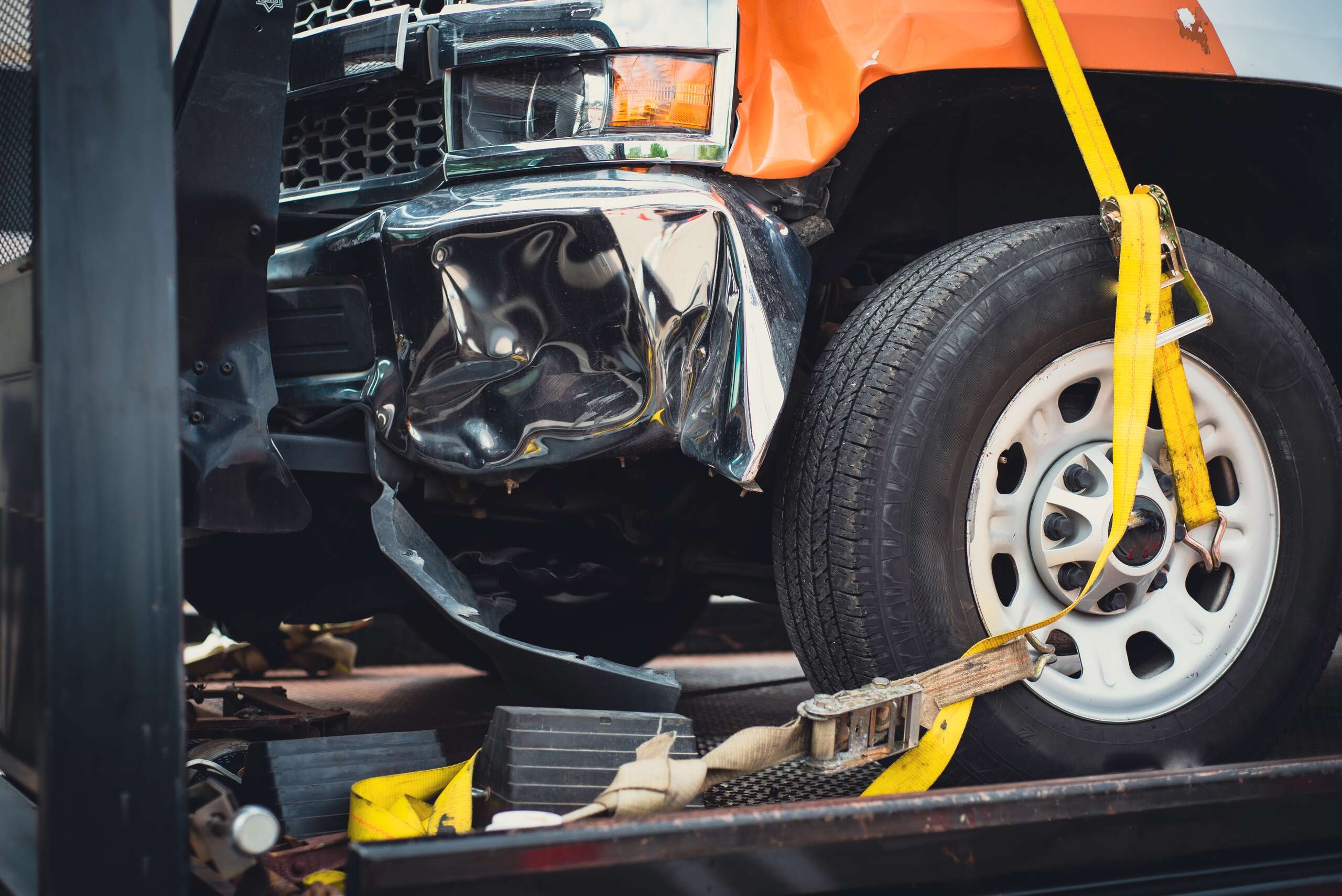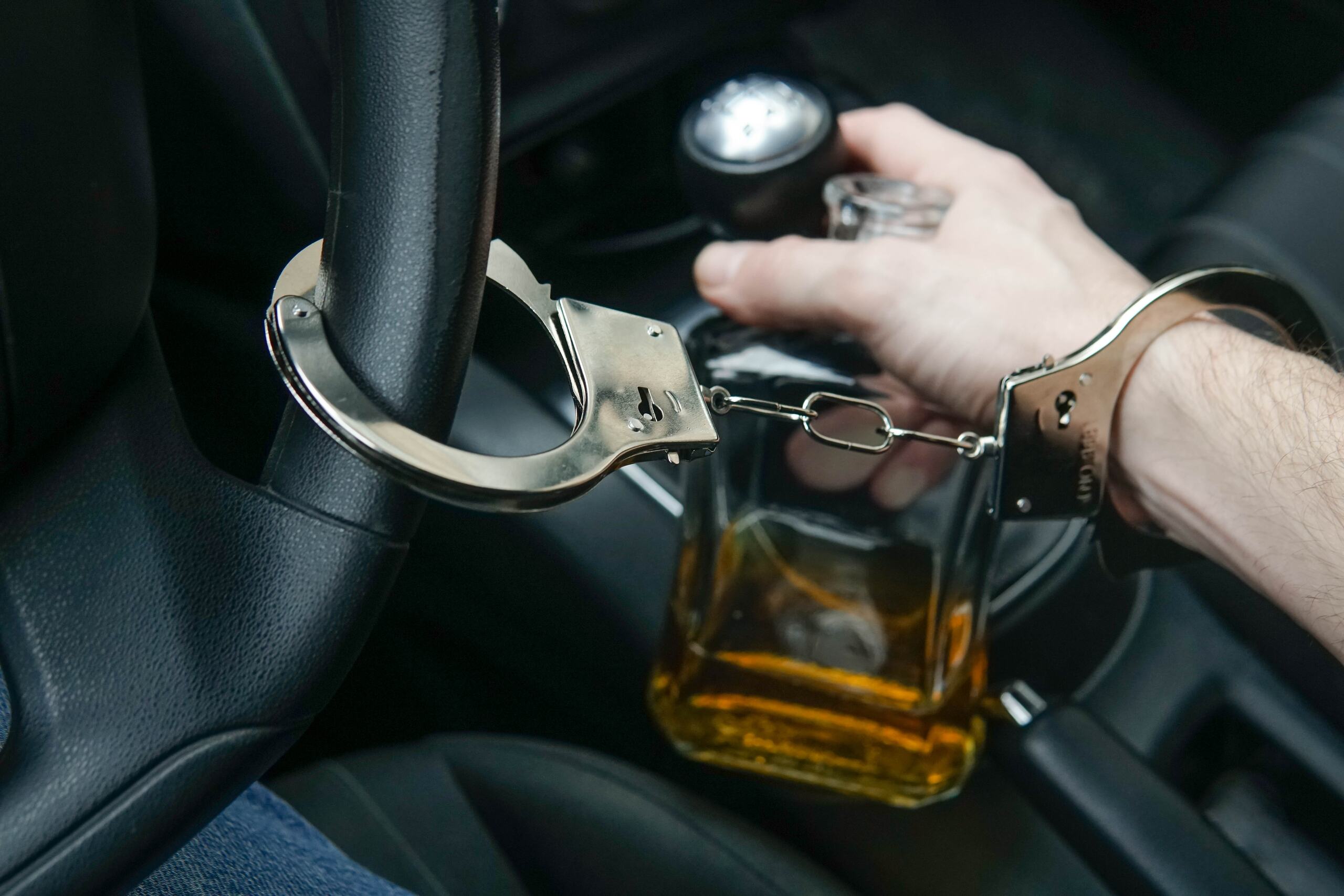
Someone else chose to drink and drive, and you are the one facing the injuries, the bills, and the anger that comes with a crash that never should have happened. You don’t have to manage your pain, insurance adjuster calls, and financial struggles on your own. We can help.
Our Scranton DUI accident lawyers at The Slocum Firm represent people hurt by drunk and drug-impaired drivers throughout Lackawanna County and northeastern Pennsylvania. We pursue compensation from the impaired driver, their insurer, and from every other party legally responsible for your collision.
Your consultation is free, and you owe no legal fees unless we recover money for you. Call (570) 209-7376 any time to speak with our attorneys and learn more about your options.

Why Families Hurt by Impaired Drivers Choose The Slocum Firm
A DUI crash often involves a criminal case, several insurance policies, and sometimes a bar or restaurant that kept serving. Our attorneys have handled those overlapping pieces for injured Pennsylvanians since 2009, with more than 50 years of combined experience behind every case.
We are always reachable. You can call or text your attorney directly, and our team is available 24/7, because a crash rarely happens on a convenient schedule.
Clients across northeastern Pennsylvania rely on us for:
- An over 95% recovery rate for injured clients
- Millions of dollars recovered for people across Pennsylvania
- Most cases settled in less than a year
- Free consultations and no fees unless we win
Every case turns on its own facts, so no firm can promise a particular result. What we can promise is a real conversation with an experienced attorney. Call (570) 209-7376 for a free review of your DUI accident claim today.

How Does a Drunk Driving Accident Claim Work in Pennsylvania?
A drunk driving accident claim is a civil case you bring to recover compensation from the impaired driver and any other responsible parties. It runs separately from the criminal DUI case against the driver, and you do not need a conviction to win it.
Under Pennsylvania’s DUI statute, it is a crime to drive with a blood alcohol concentration of 0.08% or higher, with lower limits of 0.04% for commercial drivers and 0.02% for drivers under 21. A driver can also be charged when alcohol or drugs make safe driving impossible, even below those numbers.
The two cases have different goals and different rules, which is why your injury claim does not have to wait on the prosecution.
| Feature | Criminal DUI case | Your civil injury claim |
|---|---|---|
| Who brings it | The Lackawanna County District Attorney, on behalf of the Commonwealth | You, through your attorney |
| Purpose | Punishing the driver and protecting public safety | Compensating you for your losses |
| Burden of proof | Beyond a reasonable doubt | More likely than not |
| Possible outcomes | Jail, fines, license suspension, or a diversion program | Money damages paid by the driver, insurers, or other liable parties |
| Your role | Witness, with no control over the outcome | Decision-maker on settlement or trial |
We can keep an eye on the criminal case for you, but your civil compensation claim will move forward on its own timeline. Trying to coordinate the two while recovering from serious injuries is a lot to carry, and it is exactly the kind of work we take off your plate.
Do You Have to Wait for the DUI Case to End Before Filing a Claim?
No, you do not have to wait for the criminal DUI case to end before pursuing a civil injury claim in Pennsylvania. In fact, waiting can harm your claim and cost you evidence. The criminal investigation, however, often produces proof we can put to work in your case.
Records from the DUI prosecution that can support your claim include:
- Breath or blood test results showing the driver’s blood alcohol concentration
- Police reports, field sobriety test results, and body camera or dash camera video
- Statements the driver made at the scene or to officers
- A guilty plea or conviction on the DUI charge
We combine these records with our own investigation, including crash reconstruction and vehicle data, to show how impairment caused the collision. The timing of a plea or conviction can also change how an insurer values your case, so understanding how the criminal DUI case supports your civil claim shapes our settlement strategy.
What If the Driver Entered ARD?
Many first-time DUI offenders in Pennsylvania are offered Accelerated Rehabilitative Disposition (ARD), a diversion program that ends without a conviction if the driver completes it. ARD does not erase the evidence gathered during the arrest, and the driver’s acceptance into ARD for the crash carries real weight in your insurance claim, as the next section explains.

Can You Recover Pain and Suffering If You Chose Limited Tort Coverage?
A Pennsylvania driver with limited tort coverage can generally recover pain and suffering damages as if they had full tort coverage when the at-fault driver is convicted of DUI or accepts ARD for that crash. This exception is one of the most valuable and most overlooked rules in Pennsylvania DUI accident claims.
Limited tort is a cheaper insurance option that normally blocks claims for pain and suffering unless the injury is serious. Many Pennsylvania drivers choose it to save on premiums, then assume after a crash that they have no claim for anything beyond their bills.
Why This Exception Changes the Value of Your Case
Pain, emotional distress, and lost enjoyment of life often make up a large share of what a serious crash claim is worth. When the DUI exception applies, the insurer can no longer use your limited tort election to take those losses off the table.
Adjusters do not always explain this exception. We check the status of the criminal case and all policy elections at the start of every DUI claim we take.
Can You Sue the Bar or Restaurant That Served the Drunk Driver?
You may be able to sue a Pennsylvania bar, restaurant, or other liquor licensee that served alcohol to a visibly intoxicated person who then caused your crash. These dram shop claims can add a business’s liability insurance to the money available for your recovery.
Pennsylvania’s Liquor Code makes it unlawful for licensees to serve someone who is visibly intoxicated or under 21. The Pennsylvania Liquor Control Board describes visible intoxication as impairment that shows in a person’s behavior or appearance, such as slurred speech or stumbling, rather than a specific blood alcohol number.
Proving Pennsylvania dram shop liability takes evidence that the driver was already showing signs of intoxication when the server kept pouring. We look for that proof in:
- Bar tabs, receipts, and credit card records
- Surveillance video from inside and outside the establishment
- Testimony from bartenders, servers, and other patrons
- The timeline between the last drink and the crash
Social hosts in Pennsylvania generally face liability only for serving alcohol to minors, not adult guests. That is why we focus these claims on licensed businesses and on anyone who furnished alcohol to an underage driver.
When Can You Recover Punitive Damages From a Drunk Driver?
Pennsylvania allows punitive damages when a defendant’s conduct is outrageous because of an evil motive or reckless indifference to the safety of others, and a jury can find that driving while impaired meets that standard. Punitive damages are not automatic in DUI cases, and courts look closely at what the driver knew and chose to do.
What Makes a Punitive Damages Claim Stronger
Evidence that the driver consciously disregarded an obvious risk carries the most weight. A very high blood alcohol level, wrong-way driving, extreme speed, or fleeing the scene can help show recklessness rather than simple carelessness.
Unlike compensatory damages, punitive damages exist to punish and deter. When a jury awards these damages, they are added on top of the money that covers your losses.

What Compensation Is Available After a Scranton DUI Crash?
Compensation after a DUI crash can cover your medical care, lost income, and pain and suffering, and in some cases punitive damages. The bigger practical question is often where that money comes from, because many impaired drivers carry only minimum insurance.
We look at every possible source of payment, including:
- The impaired driver’s auto liability policy
- A dram shop claim against the bar or restaurant that overserved the driver
- Your own uninsured and underinsured motorist coverage
- An employer’s policy if the driver was working at the time of the crash
Stacking these sources can make the difference between a recovery that covers your future care and one that falls short. The same principles apply to all Scranton car accident claims, but DUI cases reward the extra digging more than most.
Even in a DUI crash, an insurer may argue you share some blame, for instance by claiming you were speeding. Under Pennsylvania’s modified comparative negligence rule, you can still recover losses as long as your fault is not greater than all of the defendants’ combined fault. However, your award will be reduced by your percentage of fault.
How Long Do You Have to File a DUI Accident Lawsuit in Pennsylvania?
You generally have two years from the date of a DUI crash to file a personal injury lawsuit in Pennsylvania. That deadline runs whether or not the criminal case has finished.
Why Waiting Even a Few Weeks Can Hurt a DUI Claim
Bars may record over surveillance video within days or weeks, and servers move on to other jobs. Starting early lets us preserve the dram shop trail while it is still fresh.
Different rules can apply when a government vehicle was involved or the injured person is a minor. We confirm your exact deadline at our first meeting.
FAQs About Scranton DUI Accident Claims
How much does it cost to hire a DUI accident lawyer in Scranton?
The Slocum Firm represents people injured by drunk drivers on a contingency fee basis, which means no upfront payment and no attorney fee unless we recover compensation. The first consultation is free, and we walk through how fees and case expenses are handled before you decide to hire us.
What if a drunk driver killed my family member in Pennsylvania?
Families who lose a loved one to a drunk driver in Pennsylvania can bring a wrongful death claim and a survival action, generally within two years. These claims can recover funeral costs, the financial support the family lost, and the losses the person suffered before death. Our Scranton wrongful death lawyers can explain who may file and how the two claims work together.
Can I still file a claim if the drunk driver fled the scene?
You can still recover compensation in Pennsylvania after a hit-and-run by a suspected drunk driver. If police identify the driver, the claim proceeds against that driver and their insurer; if not, your own uninsured motorist coverage may pay for your injuries. A prompt police report helps support either path.
What if I was a passenger in the drunk driver’s car?
Passengers injured by an impaired driver can file a claim against that driver’s insurance in Pennsylvania, even when the driver is a friend or family member. The insurer may argue the passenger knew the driver was impaired, which can reduce recovery under comparative negligence rules, so the details of what the passenger saw and when matter a great deal.
Will my DUI accident case go to court in Lackawanna County?
Most DUI accident claims in Lackawanna County settle without a trial. When a fair settlement is not possible, we can file suit in the Lackawanna County Court of Common Pleas or another proper Pennsylvania court and prepare the case for a jury trial. When we can provide clear evidence of impairment, it often gives insurers strong reasons to resolve the claim first.
Let Our Scranton Team Protect Your Rights and Hold the Impaired Driver Accountable For Your Losses
You did nothing to cause this crash, and you should not have to carry its costs alone. Accountability starts with someone willing to follow the evidence from the roadside to the bar tab.
The Slocum Firm has stood up for injured people across northeastern Pennsylvania since 2009, and our attorneys are ready to start on your case today. Call (570) 209-7376 for a free consultation at any hour, any day, and we will explain what your claim may involve and how we can help.
Prior results do not predict future outcomes, and every case depends on its own facts.