
A brain injury can affect far more than physical health. At The Slocum Firm, our Scranton brain injury lawyers help accident victims and families pursue compensation after traumatic brain injuries caused by someone else’s negligence.
Whether the injury resulted from a car accident, fall, workplace incident, or another preventable event, our attorneys understand how serious these cases can become and how important it is to account for both current and future losses.
We know how, after a serious head injury, many people struggle with memory problems, headaches, dizziness, mood changes, concentration issues, sleep disruption, and difficulty returning to work or daily activities. In some cases, the effects may not appear fully until days or weeks after the accident.
Unlike broken bones or visible injuries, traumatic brain injuries are often misunderstood or minimized by insurance companies. Victims may look “fine” while quietly dealing with cognitive, emotional, and neurological symptoms that affect nearly every part of life. This is where we can help.
Call (570) 209-7376 to speak directly with our brain injury attorneys. We are available 24/7, and you will never pay legal fees unless we recover compensation for you.
Why You Should Choose The Slocum Firm for Your Brain Injury Claim

Brain injury cases are medically and legally complex. Insurance companies frequently argue that symptoms are exaggerated, unrelated to the accident, or unsupported by medical imaging. We know these cases require detailed investigation, strong medical documentation, and a clear explanation of how brain injuries affect our clients’ daily lives over time.
At The Slocum Firm, we work closely with injured clients to fully document the physical, cognitive, emotional, and financial impact of traumatic brain injuries. Our attorneys understand that a concussion or traumatic brain injury can affect a person’s ability to work, maintain relationships, manage responsibilities, and enjoy the activities they did in the past.
When you partner with our firm, you receive:
- Direct access to experienced injury attorneys throughout your case
- A legal team focused on documenting your long-term life impact and future losses
- A thorough investigation of the accident and available evidence
- Guidance through insurance disputes and medical documentation issues
- Representation with no upfront legal costs
- Availability 24/7 for questions and updates
We understand that brain injury victims and families often feel frozen by uncertainty. Our goal is to help provide clarity, support, and aggressive legal representation while you focus on your recovery.
What Is a Traumatic Brain Injury?
A traumatic brain injury (TBI) occurs when the brain suffers damage because of a sudden impact, violent movement, penetration injury, or interruption of normal brain function.
Brain injuries can range from mild concussions to severe, life-altering trauma. Even so-called “mild” brain injuries can cause significant symptoms that interfere with work, relationships, and daily functioning.
Traumatic brain injuries are commonly caused by:
- Car and truck accidents
- Motorcycle crashes
- Bicycle and pedestrian accidents
- Slip and fall accidents
- Workplace incidents
- Sports and recreational injuries
- Physical assaults
Why Are Brain Injuries Different From Other Injury Cases?
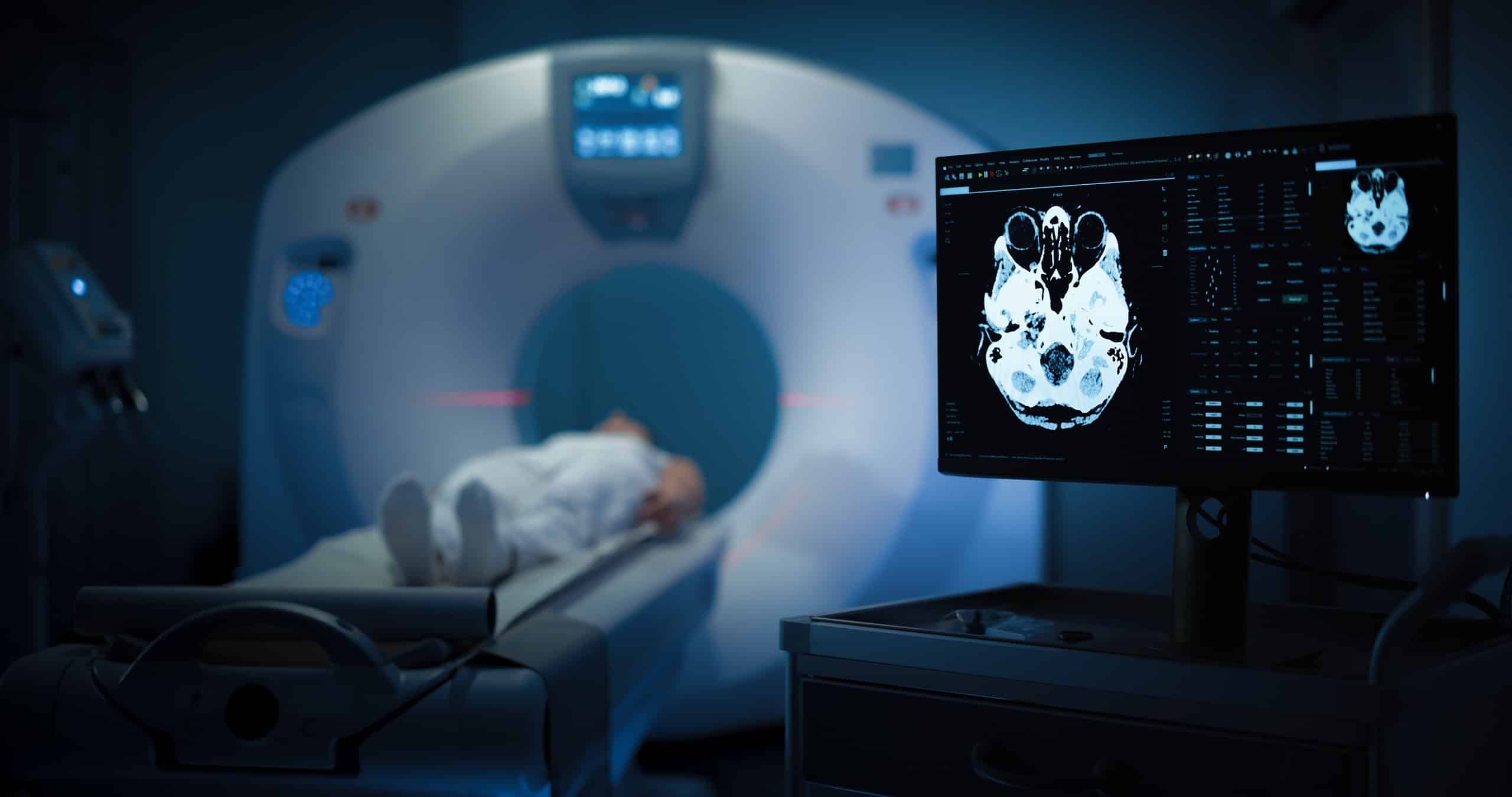
Brain injury cases are often more complicated than other personal injury claims because symptoms may not be immediately diagnosable or visible on standard medical imaging. In fact, a person may suffer serious cognitive or neurological symptoms while CT scans or MRIs appear normal.
Insurance companies may use the lack of a definitive test result to argue that the injury is not severe, even when the victim is struggling with daily functioning. We understand how brain injuries can affect nearly every area of life, including:
- Memory and concentration
- Speech and communication
- Emotional regulation
- Sleep patterns
- Balance and coordination
- Work performance
- Personal relationships
These injuries often require extensive documentation and long-term evaluation to fully understand their impact. However, we strive to prove every aspect of our clients’ damages and fight for the maximum compensation available under the circumstances.
What Are Some Common Symptoms of a Brain Injury?
Brain injury symptoms vary widely depending on the severity and location of the trauma. Some symptoms appear immediately, while others develop gradually over time. We accept cases involving:
Cognitive Symptoms
Many victims experience problems involving thinking and concentration, including memory loss, difficulty focusing, slowed thinking, confusion, and trouble processing information.
Physical Symptoms
Brain injuries can also cause physical symptoms such as headaches, dizziness, nausea, sensitivity to light or sound, fatigue, and vision disturbances.
Emotional and Behavioral Changes
Traumatic brain injuries may also affect mood and emotional regulation. Victims sometimes experience anxiety, depression, irritability, mood swings, and personality changes.
Sleep Problems
Difficulty sleeping or excessive fatigue are also common after head injuries.
| Immediately After Accident | Days Later | Weeks Later |
| Headache | Memory problems | Mood changes |
| Dizziness | Difficulty concentrating | Sleep disruption |
| Confusion | Sensitivity to light/noise | Anxiety or depression |
| Nausea | Fatigue | Ongoing cognitive issues |
Delayed symptoms are common after traumatic brain injuries and should never be ignored.
How Do Brain Injuries Happen in Car Accidents?
Vehicle accidents are one of the leading causes of traumatic brain injuries. A brain injury does not necessarily require a direct strike to the head. The violent movement of the brain inside the skull during a collision may itself cause neurological damage.
In Scranton, we accept cases involving serious brain injuries that result from:
- Rear-end collisions
- High-speed crashes on Interstate 81
- Motorcycle accidents
- Truck accidents
- Pedestrian accidents
- Distracted or drunk driving collisions
Victims may initially believe they only suffered a “minor concussion,” only to later develop ongoing cognitive and neurological symptoms. This is one reason why it’s crucial to seek medical attention quickly after a vehicle crash.

Can Slip and Fall Accidents Cause Brain Injuries?
Yes. Falls are one of the most common causes of traumatic brain injuries, especially among older adults. For example, a fall involving a hard surface, stairs, ice, or uneven pavement may cause:
- Concussions
- Skull fractures
- Brain bleeding
- Long-term neurological complications
Even a brief loss of consciousness may indicate a significant injury requiring medical evaluation.
Do You Have a Viable Brain Injury Claim?
You may have a valid claim if another person’s negligence caused the accident that led to your brain injury.
Many brain injury victims initially underestimate the seriousness of their condition because symptoms can evolve gradually. Insurance companies may also attempt to dismiss symptoms that are slow to appear and difficult to measure objectively.
You may have a legal injury claim if:
- Another person or company caused the accident
- You struck your head or experienced violent head movement during the incident
- You developed neurological or cognitive symptoms afterward
- Medical treatment or evaluation was required
- The injury affected your work, finances, or daily life
Even if imaging studies were normal, you may still have a legitimate brain injury claim. We can listen to your story and explain your rights during a free case review.
Why Are Brain Injury Cases So Expensive?
Traumatic brain injuries frequently involve long-term medical and financial consequences that extend far beyond the initial emergency treatment. Medical and other costs can add up over time, including:
Medical Treatment and Specialists
Victims may require ongoing specialized care involving:
- Neurologists
- Neuropsychologists
- Rehabilitation specialists
- Physical therapists
- Occupational therapists
Cognitive Rehabilitation
Some people require therapy focused on improving memory, concentration, communication, and daily functioning.
Lost Earning Capacity
Brain injuries may affect a person’s ability to continue in the same profession or maintain full-time employment.
Long-Term Supervision or Assistance
Severe brain injuries may require ongoing support, adaptive care, or assistance with daily activities.
Emotional and Relationship Impact
Brain injuries often affect family relationships, emotional stability, and independence in ways that are difficult to measure financially but deeply affect quality of life.

What Compensation Is Available in a Scranton Brain Injury Case?
When we file a brain injury claim, it is intended to account for the full impact the injury has had—and may continue to have—on your life. We will fight for all of the legal damages you are experiencing, including compensation for:
Medical Expenses
Compensation may include emergency treatment, hospitalization, rehabilitation, therapy, medications, diagnostic testing, and future medical care.
Lost Income and Future Earnings
If your injury prevents you from working or limits future career opportunities, compensation may reflect both current and future financial losses.
Pain and Suffering
Brain injuries often create significant emotional distress, frustration, anxiety, and reduced enjoyment of life. We can help place a value on these losses.
Long-Term Disability and Future Needs
Some victims require lifelong medical care, supervision, or adaptive assistance because of cognitive or neurological limitations.
Accurately evaluating future losses is often one of the most important parts of a brain injury case. We can work with economic and medical professionals to determine the full extent of your estimated future damages.
How Do We Prove Brain Injury Cases?
Brain injury claims often require extensive medical evidence and documentation regarding your out-of-pocket expenses and showing how the injury affects your daily functioning.
Important evidence may include:
- Emergency room records
- Neurological evaluations
- Neuropsychological testing
- Brain imaging studies
- Witness testimony
- Employer records
- Family observations regarding behavior changes
In some cases, expert testimony may help explain how the injury affects cognition, memory, emotional regulation, or future functioning.
What If the Insurance Company Says You Look Fine?
This is one of the most frustrating issues brain injury victims face because many symptoms of traumatic brain injury are invisible to others. Insurance companies sometimes attempt to minimize claims because the victim can still speak, walk, or function outwardly despite significant internal struggles.
However, the inability to visibly “see” a brain injury does not make the condition less real or less serious. Detailed medical records, therapy notes, cognitive testing, and testimony from family members often become important evidence in these cases.
How Our Team Helps Brain Injury Victims
Building a solid legal brain injury case requires careful preparation, strong medical evidence, and detailed analysis of future losses. Our attorneys help clients by:
- Investigating the accident thoroughly
- Gathering medical and neurological evidence
- Reviewing long-term treatment needs
- Documenting cognitive and emotional symptoms
- Calculating future financial losses
- Communicating with insurance companies
- Advocating in court when necessary
Frequently Asked Questions About Brain Injury Cases
How long do I have to file a brain injury lawsuit in Pennsylvania?
In most situations, Pennsylvania’s statute of limitations gives injury victims two years from the date of the accident to file a lawsuit. If you miss this filing deadline, you may be barred from receiving compensation.
Can a brain injury worsen over time?
Some symptoms may persist or become more noticeable over time, especially cognitive or emotional difficulties.
What is the difference between a concussion and a traumatic brain injury?
A concussion is a form of traumatic brain injury, though the severity and long-term effects vary widely.
Are brain injuries always permanent?
Not always. Some people recover fully, while others experience long-term or permanent symptoms.
Can family members help support a brain injury claim?
Yes. Family observations of personality changes, memory problems, or emotional symptoms may be important evidence supporting your claim.
What if my concussion symptoms didn’t appear until days after the accident?
This is common. Many brain injury symptoms develop gradually after the initial trauma. Delayed symptoms do not automatically prevent a valid claim.
Can a child suffer a traumatic brain injury even without losing consciousness?
Yes. A person does not need to lose consciousness for a traumatic brain injury to occur. Children and teenagers may develop symptoms such as headaches, memory problems, mood changes, difficulty concentrating, or sleep disruption, even when the initial injury seemed minor.
Because younger victims may have trouble explaining their symptoms, ongoing observation and medical evaluation are important after a head injury accident.
What if I was diagnosed with anxiety, depression, or PTSD after the accident?
Emotional and psychological symptoms are common after traumatic brain injuries and serious accidents. In many cases, brain injury victims experience anxiety, depression, emotional regulation problems, or post-traumatic stress alongside physical and cognitive symptoms.
These conditions may be included in the overall legal damages evaluation when they are related to the accident and supported by medical evidence.
What if I can no longer perform my previous job?
Loss of earning capacity may become an important part of your claim if the injury affects your ability to continue working in the same field. We can help determine the value of your future lost income and benefits and include those amounts in your injury claim.

Contact the Scranton Brain Injury Lawyers at The Slocum Firm Today
A traumatic brain injury can affect your health, your career, your relationships, and your future. You should not have to navigate insurance disputes and financial uncertainty on your own while trying to heal.
At The Slocum Firm, we help brain injury victims and families pursue compensation that reflects the true long-term impact of these life-changing injuries. Our attorneys understand the challenges these cases present and work hard to build strong claims supported by detailed medical and financial evidence.
If you or a loved one suffered a traumatic brain injury in Scranton or anywhere in Pennsylvania, contact The Slocum Firm today for a free consultation. Call (570) 209-7376 today to speak directly with our Scranton brain injury lawyers. We are available 24/7, and you will never pay legal fees unless we recover compensation for you.