If a driver hits you and flees the scene in Pennsylvania, you may still have options to get your medical bills covered and pursue compensation—even if the driver is never found. Working with a hit and run pedestrian lawyer in Scranton or another Pennsylvania location can help explain the law and protect your rights.
Being struck by a vehicle while walking can be life-altering. You’re left injured, shaken, and unsure what to do next while the person responsible disappears. Whether this happened near Lackawanna Avenue, along Mulberry Street, or crossing near the University of Scranton, the uncertainty that follows a hit and run accident can feel just as serious as the injuries themselves.
The good news is that Pennsylvania law provides a safety net. From your own insurance coverage to state-managed programs like the Pennsylvania Assigned Claims Plan, there are pathways to help you financially. Understanding these options early can help you avoid delays, denied claims, or unpaid medical bills.
Key Takeaways About Hit and Run Pedestrian Accidents in Pennsylvania
- You may still recover compensation even if the at-fault driver is never identified or caught.
- Your own auto insurance, including uninsured motorist (UM) coverage, may apply to a pedestrian accident.
- If you do not have auto insurance, coverage may come from a household member’s policy.
- The Pennsylvania Assigned Claims Plan (PACP) provides limited benefits if no other coverage is available.
- PACP may provide up to $5,000 in medical benefits and up to $15,000 in liability coverage for eligible victims.
- Reporting the accident promptly is critical to meeting notice-of-accident requirements and protecting your claim.
- Evidence collection becomes especially important in hit and run cases where the at-fault driver is never identified.
What Is Considered a Hit and Run in Pennsylvania?
A hit and run accident occurs when a driver involved in a crash leaves the scene without stopping to provide information or assist injured parties. Pennsylvania law requires drivers to stop, exchange information, and render aid when someone is injured.
When a driver flees after striking a pedestrian, they may face serious criminal penalties. However, while law enforcement may investigate the driver’s actions, your immediate concern is likely how to cover medical expenses and protect your financial stability.
First Steps to Take After a Hit and Run Pedestrian Accident
Taking the right steps immediately after the accident can significantly impact your ability to recover compensation later. Even though the driver has fled, your actions in the next hours, days, and weeks can help preserve critical evidence and strengthen your claim.
Seek Medical Attention Right Away
Your health always comes first. Even if injuries seem minor, it is important to be evaluated by a medical professional. Some injuries, such as concussions or internal bleeding, may not show symptoms right away but can become serious if not treated quickly.
Contact the Police and File a Report
A police report is essential in hit and run cases. Officers may be able to gather witness statements, review nearby surveillance footage, and begin tracking down the driver. This report will also be necessary when filing insurance claims.
Document the Scene
If you are able, take photos of the scene, your injuries, and any debris left behind. Details such as vehicle fragments, skid marks, or nearby businesses with cameras can be valuable evidence.
Speak With Witnesses
Witnesses can provide descriptions of the vehicle, the driver, or the direction the vehicle fled. Even small details can help identify the driver or support your claim later.
Who Pays for Your Injuries If the Driver Drove Away?
This is one of the most common and urgent questions after a hit and run accident. Pennsylvania’s system offers multiple layers of protection, depending on your situation. Even if the driver is never found, you may have the following coverage options.
Your Own Auto Insurance Coverage
If you own a vehicle and have auto insurance, your policy is typically the first place to look. If your policy includes uninsured motorist (UM) coverage, it may provide substantial benefits because this policy is designed to protect you when the at-fault driver cannot be identified or does not have insurance.
UM coverage applies even when you are a pedestrian. It can help cover damages such as medical expenses, lost wages, and pain and suffering, depending on your policy terms and limits.
Coverage Through a Household Member
If you do not own a vehicle, you may still be covered under a policy belonging to a resident relative. This could include a spouse, parent, or other household member.
Pennsylvania law allows this type of coverage to extend to pedestrians injured in motor vehicle accidents, including hit and run incidents. If no household member coverage is available, the state may provide limited compensation for your losses.
The Pennsylvania Financial Responsibility Assigned Claims Plan (PFRACP)
If no other insurance coverage is available, the Pennsylvania Financial Responsibility Assigned Claims Plan (PFRACP) provides a safety net for injured pedestrians.
The PFRACP is a state-managed program designed to help individuals who have no access to traditional auto insurance benefits. It can provide:
- Up to $5,000 in medical benefits
- Up to $15,000 in liability coverage
Eligibility depends on several factors, including whether you have access to any other insurance coverage. This program is especially important for pedestrians who do not own vehicles and do not live with someone who has auto insurance. Without it, many injured individuals would have no immediate source of financial support to help pay medical expenses.
Understanding Uninsured Motorist (UM) Coverage for Pedestrians
Uninsured motorist coverage plays a critical role in hit and run cases. Because the driver is unknown, the law treats the situation similarly to an accident involving an uninsured driver.
UM coverage can apply to pedestrians in Pennsylvania, which means your policy may provide compensation even though you were not in a vehicle at the time of the accident.
What UM Coverage Can Include
Depending on your policy, uninsured motorist coverage may help pay for:
- Medical expenses beyond PIP limits
- Lost wages
- Pain and suffering
- Future medical care
The extent of coverage depends on the limits you selected when purchasing your policy.
Stacking UM Coverage in Pennsylvania
Pennsylvania allows stacking of uninsured motorist coverage, which can increase the total amount of coverage available. For example, if you insure multiple vehicles, you may be able to combine the UM coverage limits for each vehicle. This can significantly increase the funds available to cover your injuries after a hit and run accident.
However, stacking must have been elected when you purchased your policy. Some policies include waivers that limit this option, so it’s important to review your coverage.
The Importance of Notice of Accident Requirements
After a hit and run accident, timing matters. Insurance policies require you to provide prompt notice of the accident to preserve your rights.
Failing to meet these notice of accident requirements can result in delays or even denial of your claim. While each policy has its own terms, reporting the accident as soon as possible is always the safest approach.
In addition to notifying your insurer, you typically must file a police report for uninsured motorist claims. This documentation helps establish that the accident occurred and that the driver fled the scene.
What Happens If the Driver Is Later Identified?
In some cases, law enforcement may eventually identify the driver responsible for the hit and run. If that happens, additional legal options may become available.
You may be able to pursue a claim against the driver’s liability insurance or file a personal injury lawsuit. Any compensation recovered could also impact how insurance claims are handled, particularly if your insurer has already paid benefits.
How Comparative Negligence Still Applies
Even in hit and run cases, Pennsylvania’s modified comparative negligence rule still applies. This means your compensation can be reduced if you are found partially at fault. For example, if you were crossing outside a crosswalk or walking in a poorly lit area, those factors may be considered.
As long as you are not more than 50% at fault, you can still recover compensation. Your recovery will simply be reduced based on your percentage of responsibility.
Common Challenges in Hit and Run Pedestrian Cases
Hit and run accidents present unique challenges because the at-fault driver is not immediately available to provide information or accept responsibility. One of the biggest challenges is proving what happened. Without a known driver, your own insurance company may scrutinize your claim more closely. This makes documentation and evidence especially important.
Another challenge is identifying all available sources of coverage. Between personal policies, household policies, and programs like the PFRACP, determining the correct path forward can be complicated.

Why Acting Quickly Can Protect Your Case
Time plays a critical role in hit and run cases. Evidence can disappear quickly, and witnesses may become harder to locate over time.
An experienced Pennsylvania pedestrian accident lawyer can help you report the accident promptly, gather and preserve evidence, and negotiate with insurance companies to help build a successful case. These steps also ensure you meet legal and insurance deadlines.
Pennsylvania generally provides a two-year statute of limitations for personal injury claims, but waiting too long to take legal action can make it harder to build a strong case. Reach out to a dedicated personal injury law firm as soon as you can.
Frequently Asked Questions About Hit and Run Pedestrian Accidents
What if I only remember part of the vehicle description?
Partial information can still be helpful. Details such as color, type of vehicle, or even the direction the driver fled can assist law enforcement and support your insurance claim. Witness statements and nearby surveillance footage may help fill in the gaps.
Can I still file a claim if there were no witnesses?
Yes, you can still pursue a claim even without witnesses. Your testimony, medical records, and any available physical evidence can help establish what happened. Insurance companies and your own injury attorney may investigate the circumstances to verify the claim.
Does the Pennsylvania Financial Responsibility Assigned Claims Plan cover pain and suffering?
The PFRACP provides limited benefits, primarily for medical expenses and certain liability coverage. It does not offer the same level of compensation as a full liability or uninsured motorist claim, particularly for non-economic damages such as pain and suffering.
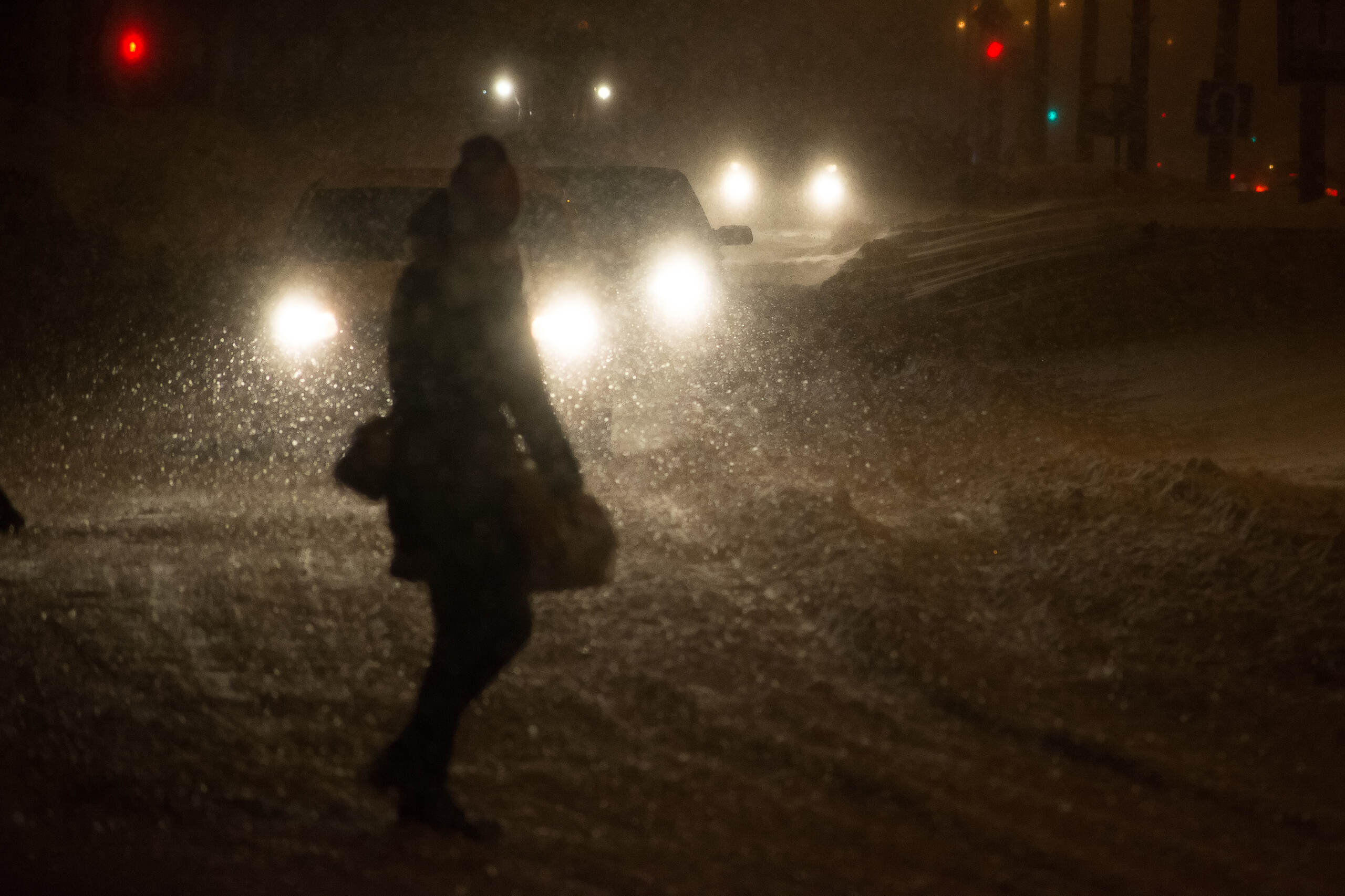
What if I was struck at night or in poor visibility conditions?
Lighting and visibility can affect how your fault and the driver’s responsibility may be evaluated, but they do not automatically prevent your recovery. Drivers are still expected to operate their vehicles safely based on road and visibility conditions.
Will my claim be denied if the driver is never found?
Not necessarily. The entire purpose of uninsured motorist coverage and programs like the PFRACP is to provide protection when the driver cannot be identified. As long as you meet the requirements and provide sufficient evidence, you may still recover compensation.
Speak With a Hit and Run Pedestrian Lawyer in the Scranton Offices of The Slocum Firm Today
Being struck by a vehicle is traumatic. When the driver flees, it adds another layer of frustration and uncertainty. You should not have to navigate Pennsylvania’s complex insurance rules on your own while trying to recover from your injuries.
The personal injury attorneys at The Slocum Firm, P.C., are available to take your call 24/7, and you will never pay a fee unless we recover compensation for you.
Since 2009, we have helped injured clients across Scranton and throughout Pennsylvania recover millions in compensation, maintaining a 95% recovery rate. Most cases are resolved in less than a year, and when you call, you will speak directly with an attorney who can answer your questions and guide you through every step of the process.
If you were injured in a hit and run pedestrian accident, there may still be options available to you. Call (570) 209-7376 today for a free consultation and get the answers you need to move forward.