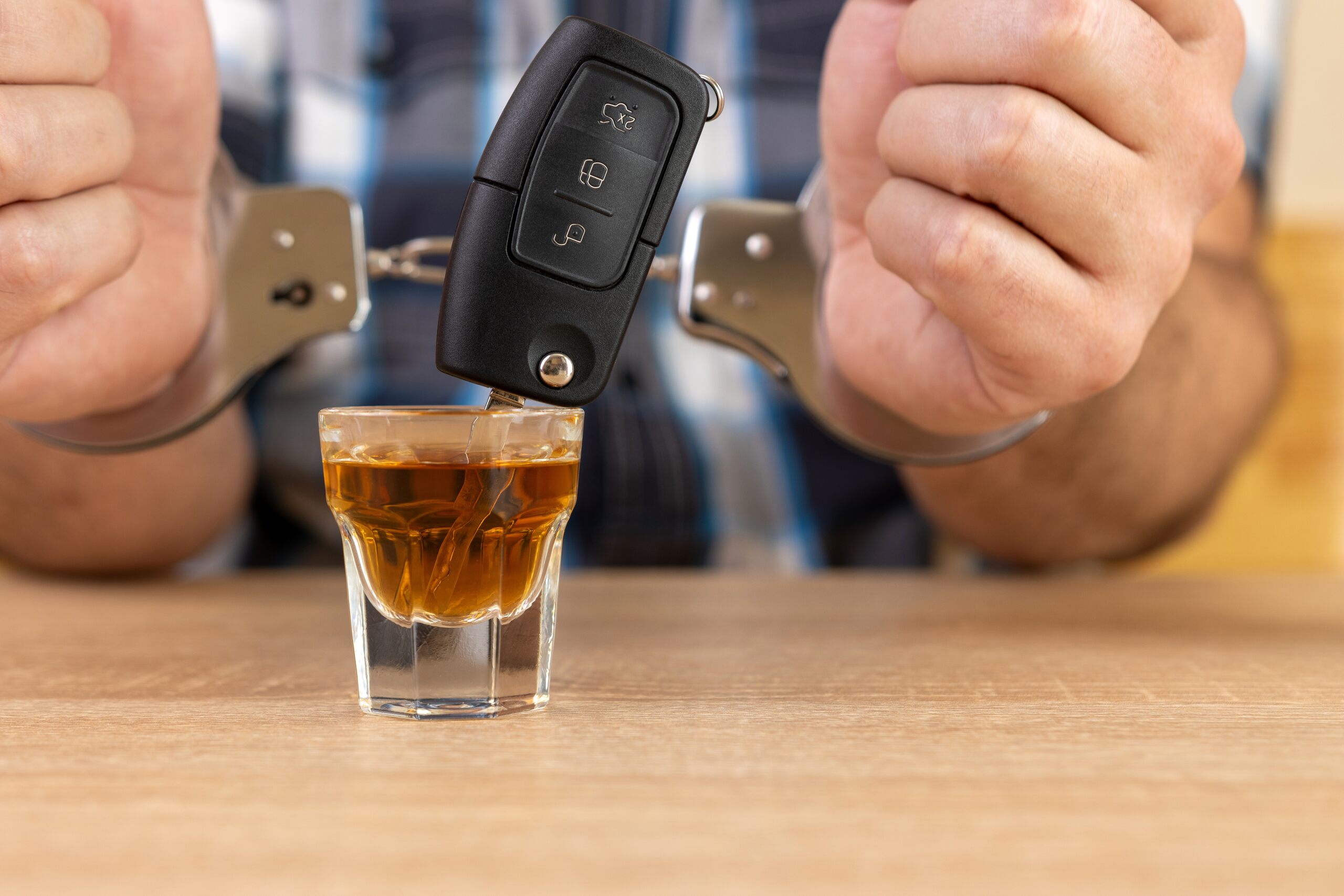
Stacking your insurance allows you to combine the coverage limits of multiple vehicles on a single policy or across different policies to increase the available funds for injury claims when the at-fault driver is broke or uninsured.
Discovering that the driver who hit you on the Schuylkill Expressway or near the Steamtown Mall has state minimum limits, or no insurance at all, creates immediate financial panic. You might wonder how medical bills will be paid if the person responsible has empty pockets.
This is where uninsured motorist stacking in PA becomes a critical financial lifeline. While Pennsylvania law allows this combination of limits, insurance companies rarely volunteer to maximize your payout.
A personal injury lawyer can review your policy declarations to find these hidden layers of coverage, challenging insurers who attempt to limit your recovery based on technicalities or unsigned waiver forms.
If you are worried about how to pay for your recovery after being hit by a driver with insufficient coverage, consider reaching out to The Slocum Firm, P.C., for a free case evaluation with our Pennsylvania auto accident attorneys to determine if stacking applies to your situation.
Key Takeaways About Uninsured Motorist Stacking in PA
- Intra-policy stacking power: Under the Pennsylvania Motor Vehicle Financial Responsibility Law (MVFRL), intra-policy stacking allows you to multiply your uninsured/underinsured motorist (UM/UIM) coverage limits by the number of vehicles on your policy, significantly increasing the pool of money available for your recovery.
- Challenging invalid waivers: Insurance companies often argue that you waived your right to stack coverage to save money, but a Scranton auto accident lawyer can audit the specific waiver forms to see if they adhere to the strict statutory requirements mandated by the Pennsylvania Supreme Court.
- Inter-policy opportunities: Stacking isn’t limited to just one policy; under certain circumstances, legal counsel can help you stack coverage across multiple vehicle insurance policies in Pennsylvania, such as combining a personal policy with a household member’s policy.
- Protection against state minimums: With Pennsylvania’s minimum bodily injury limit set at just $15,000, UIM coverage limits that Pennsylvania drivers carry often serve as the primary source of compensation for serious injuries, making stacking essential for full financial recovery.
The Reality of Pennsylvania’s Minimum Coverage Limits
Pennsylvania law requires drivers to carry auto insurance, but the bar is set incredibly low. The state minimum for bodily injury liability is only $15,000 per person. In a serious crash on I-81 involving surgery, hospital stays, and time off work, $15,000 disappears in days.
Once those limits are exhausted, the at-fault driver is essentially “broke” in the eyes of the law regarding your claim. You cannot get blood from a stone, and suing an individual with no assets usually yields nothing but a paper judgment.
This scenario leaves many accident victims facing a massive financial gap. This gap is exactly why underinsured motorist (UIM) coverage exists. However, even your own UIM limits might seem too low to cover catastrophic damages. This is where the concept of stacking becomes a powerful tool in your financial recovery strategy.
Legal professionals analyze your policy not just for what is obvious, but for the potential to multiply coverage limits through stacking, transforming a modest policy into a substantial safety net.
What Does Stacking Mean on a Car Insurance Policy?
Stacking is essentially a multiplier for your insurance coverage. It applies specifically to Uninsured Motorist (UM) and Underinsured Motorist (UIM) bodily injury coverage. There are two main types of stacking recognized in Pennsylvania:
- Intra-policy stacking: This occurs when multiple vehicles are on a single insurance policy. If you insure three cars and have UIM limits of $50,000 per person, stacking allows you to combine those limits. $50,000 x 3 vehicles = $150,000 in total available coverage.
- Inter-policy stacking: This occurs when you combine coverage limits from separate policies. For example, if you have your own policy and also live with a parent who has a separate policy, and you are a covered driver on both, you may be able to stack the limits from both policies to cover your damages.
Insurance adjusters often gloss over these details, telling victims that their policy limit is simply the face value listed on the declarations page. A lawyer digs deeper, looking at the number of vehicles and the specific policy language to determine if stacking in Pennsylvania is an option for you.
The “Waiver” Trap: Did You Actually Sign Away Your Rights?
When purchasing car insurance, many drivers are encouraged to sign a waiver rejecting stacking. While this might slightly lower premiums, it significantly reduces the financial protection available after an accident.
However, not all waivers are valid under Pennsylvania law. Courts hold insurance companies to strict standards, and any deviation from these requirements can void the waiver. Here’s what to know:
- Strict statutory requirements: Waiver forms must follow specific wording and formatting as outlined in the Motor Vehicle Financial Responsibility Law (MVFRL).
- Common errors that void waivers: Incorrect dates, improper signatures, or non-compliant text can render a waiver invalid.
- Legal implications of invalid waivers: If a waiver is void, the law may require the insurer to provide stacked coverage, even if the policy was initially marked as non-stacked.
Legal professionals routinely review these documents to identify defects. Finding an invalid waiver can significantly increase the compensation available to someone injured by a driver with insufficient coverage.
Stacking Across Multiple Vehicles in the Household
If your household has multiple vehicles, stacking coverage can provide access to additional insurance benefits beyond the car you were driving at the time of the accident. This can be a critical financial resource after being hit by an uninsured or underinsured driver.
Here’s how stacking works across multiple vehicles in Pennsylvania:
- Accessing household coverage: Stacking allows injured parties to combine the UIM benefits of all eligible vehicles in the household, increasing the total available compensation.
- Who qualifies as a “resident relative”: Insurance companies may dispute whether certain family members, like college students or elderly parents, count as residents.
- Challenging restrictive definitions: Legal professionals can provide evidence of residency to counter these denials and unlock additional coverage for medical expenses.
By leveraging stacking, families can maximize their financial recovery. A lawyer can navigate disputes over residency and ensure that all eligible coverage is applied to your claim.
When the At-Fault Driver Has “State Minimums”
Being hit by a driver with state minimum insurance limits in Pennsylvania is functionally similar to being hit by an uninsured driver, especially if you suffer significant injuries. The $15,000 payout from the at-fault driver is rarely enough.
This situation triggers an Underinsured Motorist (UIM) claim. This is where maximizing insurance recovery through stacking becomes the focus. If you have $100,000 in stacked UIM coverage, that money sits on top of the $15,000 from the at-fault driver.
However, accessing this money isn’t automatic. Your own insurance company steps into the shoes of the at-fault driver. They start looking for reasons to devalue your injuries or argue that the $15,000 you already received is sufficient.
Having a lawyer manage this process changes the dynamic. Instead of accepting the insurer’s low valuation, an attorney presents medical evidence and legal arguments to demand the full stacked amount you paid premiums to protect.
The Hit and Run Scenario: Uninsured Motorist Stacking
A hit-and-run accident involving an uninsured driver creates an unfortunate and complicated legal scenario. You don’t have another driver to sue, and you don’t have their insurance to claim against. You are entirely dependent on your own policy.
In a hit-and-run, your Uninsured Motorist (UM) coverage may apply. If you have multiple vehicles, stacking applies here just as it does with UIM.
Proving a “hit and run” for insurance purposes in Pennsylvania requires specific steps, such as promptly reporting the accident to the police. Insurance companies look for any delay in reporting to deny the claim, arguing that the accident didn’t happen as described.
A lawyer helps protect your eligibility for coverage by ensuring all procedural requirements of the uninsured motorist claim process in Scranton are met immediately, safeguarding your ability to potentially stack benefits.
The Role of “Household Exclusions”
One common tactic insurers use to prevent inter-policy stacking is the “household exclusion” clause. This clause effectively says, “You can’t stack coverage from a vehicle you own but didn’t insure under this specific policy.”
For years, the validity of household exclusions has been a battleground in Pennsylvania courts. The law is constantly evolving, with recent Supreme Court decisions, such as Gallagher v. GEICO, shifting how these exclusions are interpreted.
What an insurance adjuster tells you is a “standard exclusion” might actually be unenforceable under current case law. Relying on their interpretation of the law can cost you thousands of dollars. A Pennsylvania uninsured motorist accident lawyer stays current on these appellate decisions and knows when a household exclusion can be challenged to open up additional coverage avenues.
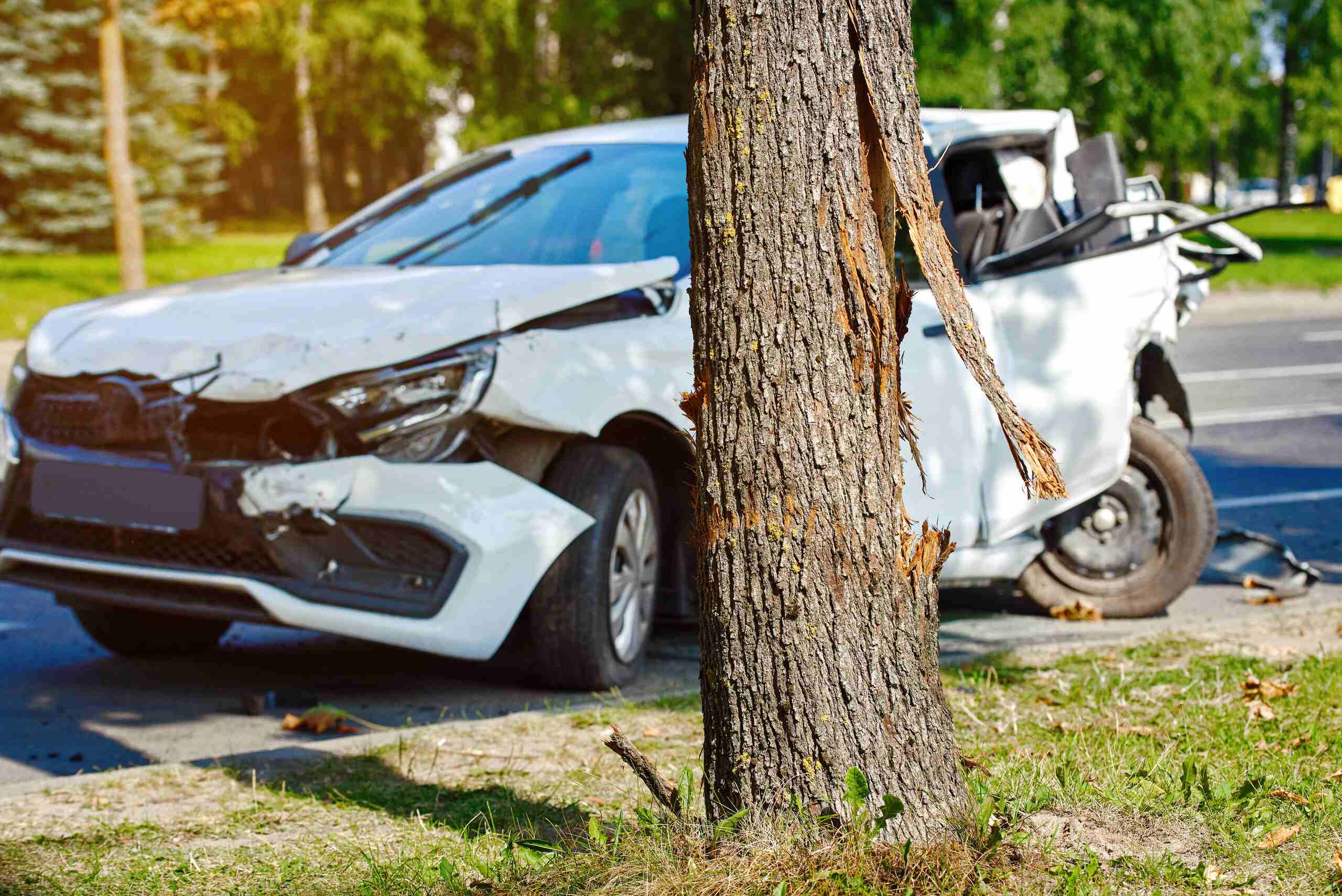
Uninsured Motorist Stacking FAQs
Does stacking my insurance increase my premiums?
Electing to stack coverage typically results in a slightly higher premium, but it provides significantly more protection in the event of an accident with an uninsured or underinsured driver. A lawyer can help you determine if your current policy allows for stacking or if a waiver you signed is valid.
Can I stack coverage if I only have one car on my policy?
Intra-policy stacking generally requires multiple vehicles on the same policy, but you may still be able to use inter-policy stacking if you are covered under another household member’s separate policy. An attorney can review your household’s insurance landscape to identify all potential sources of coverage.
What happens if I signed a waiver rejecting stacking?
Even if you signed a waiver, it may not be legally binding if the form did not strictly comply with Pennsylvania law. A lawyer can audit the document for errors that could void the waiver and restore your stacking rights.
What if the at-fault driver has no insurance at all?
If the at-fault driver is uninsured, your uninsured motorist (UM) coverage becomes the primary source of compensation. Stacking can multiply the available limits, providing additional funds to cover medical bills and other damages. A lawyer can help you navigate the claim process and ensure your rights are protected.
Can I stack coverage if I was driving someone else’s car?
In some cases, you may still be able to stack coverage if you are listed as an insured driver on your own policy or a household member’s policy. Legal counsel can review the specifics of your situation to determine if stacking applies.
Maximize the Auto Accident Compensation You May Be Eligible For Under The Law
A car crash is stressful enough without having to fight your own insurance company for benefits you paid for. When the at-fault driver is broke, stacking is often the only way to secure the funds necessary for your medical bills and lost wages.
At The Slocum Firm, P.C., we understand the nuances of Pennsylvania’s insurance laws. We know how to challenge invalid waivers, overcome household exclusions, and force insurers to honor their obligations.
Are you ready to find out whether more coverage is available for your Pennsylvania car accident injury claim? Contact The Slocum Firm today for a free case evaluation to discuss your legal rights and options.
Legal Resources About Pennsylvania Auto Accident Claims
Our attorneys have curated these resources to offer trusted advice and insights most relevant to those navigating insurance disputes and auto accidents in Northeastern Pennsylvania. For personalized legal guidance, contact our firm directly.