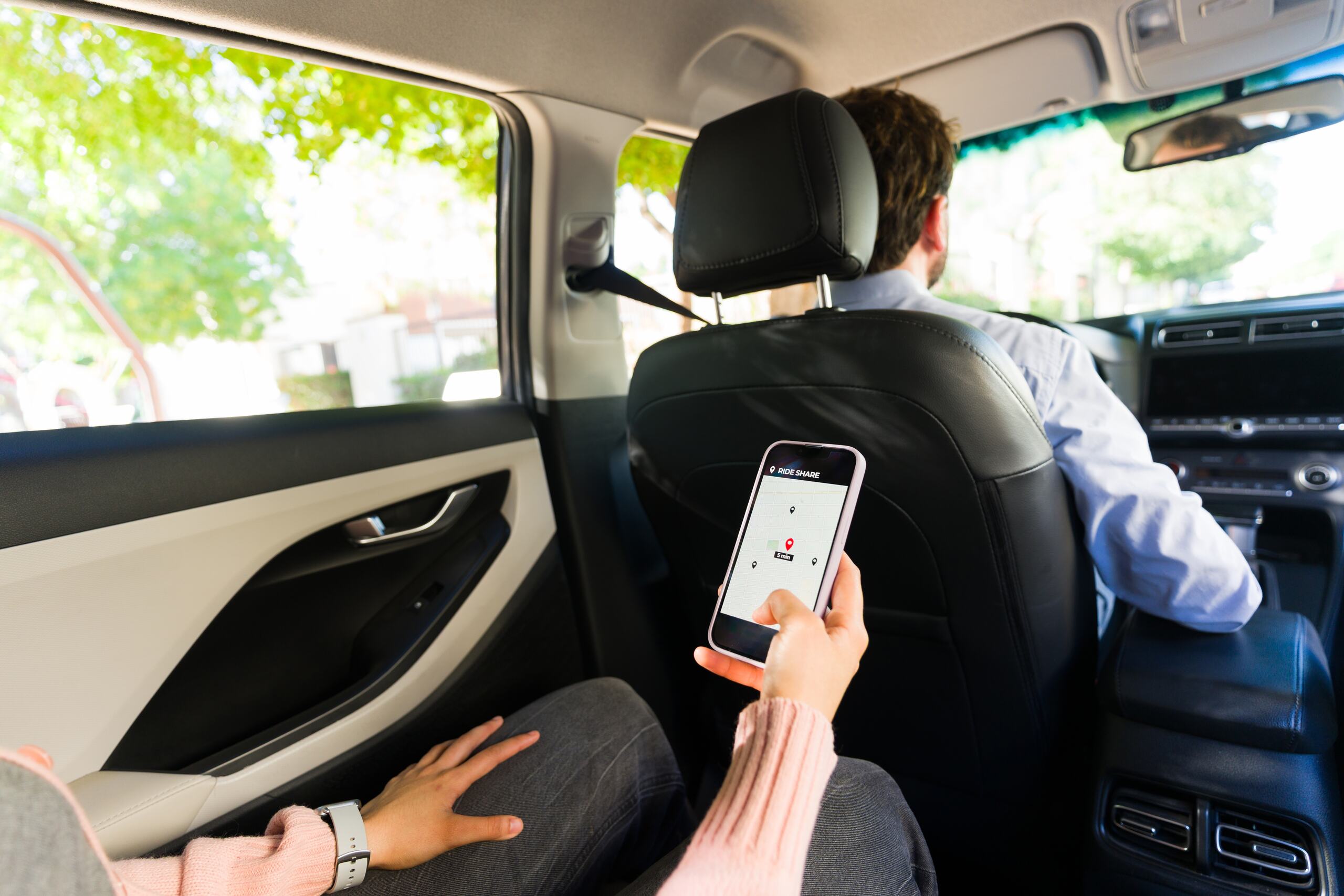
A lawyer may be able to assist when Uber’s million-dollar insurance policy doesn’t apply. Insurance adjusters may claim that the policy is unavailable, but that doesn’t mean you’re out of options.
Attorneys familiar with PA rideshare insurance laws can step in to challenge these claims, investigate the circumstances, and identify the most favorable path forward under Pennsylvania’s rideshare insurance laws.
If you have been injured while using or by someone working for Uber or Lyft, a free case evaluation with the Pennsylvania rideshare accident attorneys at The Slocum Firm can help you make sense of the confusion and protect your rights.
Key Takeaways About Why Legal Representation Matters in PA Rideshare Accident Injury Claims
- Insurance gaps can leave you vulnerable: When the million-dollar policy doesn’t apply, lower coverage limits may not fully address your losses. Legal guidance can help uncover additional compensation options or avenues under Act 164 of the Pennsylvania General Assembly.
- Proving fault isn’t always straightforward: Establishing liability often requires evidence like app usage data or proof of distraction. A lawyer can gather and present this critical information on your behalf.
- Insurance companies don’t make it easy: Navigating multiple policies and insurers can feel overwhelming. Attorneys can handle these disputes, ensuring your claim is taken seriously and your rights are protected.
When the Uber Million Dollar Insurance Policy Does and Does Not Apply to Car Accident Claims?
When the Million Dollar Policy May Not Apply
While this policy offers significant coverage in certain situations, there are key scenarios where it may not be available, leaving injured parties to navigate lower coverage limits or complex disputes.
- Period 1 (App on, no ride accepted): During this phase, the driver is logged into the app but hasn’t accepted a ride request. Coverage is limited to lower contingent liability limits, which may not fully address serious injuries or damages.
- Driver offline or using the vehicle personally: If the driver is not logged into the app or is using their car for personal reasons, the rideshare company’s insurance policy does not apply.
- Disputed driver status: Insurance companies may argue over whether the driver was actively engaged in rideshare activity, creating confusion about which policy applies.
Consulting a Scranton rideshare accident attorney can help clarify your legal options and strategies for recovering the maximum compensation you may be eligible for under the law.
When the Uber Million Dollar Insurance Policy Does Apply
Uber’s million-dollar insurance policy is designed to provide substantial coverage in specific scenarios, protecting both passengers and third parties. However, even when the policy applies, disputes with insurance companies can complicate the recovery of compensation.
- Active ride period (Passenger on board): The policy applies when a passenger is in the vehicle, covering both the passenger and any third parties involved in an accident.
- En route to pick up a passenger: Once a driver has accepted a ride request and is on their way to pick up the passenger, the million-dollar policy is in effect.
- Third-party liability: If the rideshare driver is at fault for an accident involving another vehicle, pedestrian, or cyclist during an active ride period, the policy provides coverage for damages.
Even in these situations, insurance companies may attempt to minimize payouts or dispute the circumstances of the accident. A skilled rideshare accident attorney can step in to challenge these tactics, help gather evidence to support your claim, and ensure that the full extent of the policy’s coverage is applied to your case.
How a Lawyer Helps Bridge the Coverage Gap
Determining which policy applies is just the first hurdle, as personal auto insurers often deny claims due to commercial use exclusions, while TNC insurers may argue the driver wasn’t in a covered rideshare period or attempt to limit payouts.
A rideshare accident lawyer in Pennsylvania dismantles these roadblocks, offering dedicated guidance and support that includes:
- Securing electronic data: Lawyers obtain timestamped trip logs and app records to confirm the driver’s status at the time of the crash, unlocking the appropriate policy coverage.
- Proving liability through distraction analysis: By investigating app usage and phone data, attorneys connect distractions to negligence, strengthening your claim.
- Managing insurer communications: Lawyers handle correspondence with all insurers, preventing lowball offers and ensuring every avenue for recovery is explored.
- Using legal precedents: Attorneys challenge policy exclusions and ambiguous terms using case law and industry standards to counter denial tactics.
- Advocating in negotiations: Whether in mediation or arbitration, lawyers leverage evidence and settlement benchmarks to secure fair compensation.
- Navigating complex claims: In cases involving shared fault or multiple vehicles, attorneys apply Pennsylvania’s comparative negligence law to maximize compensation.
These efforts can lead to significant outcomes, such as overturning coverage denials, proving app usage to access TNC policies, or tapping into uninsured motorist coverage.
If you are struggling to deal with the mounting financial burdens of someone else’s negligence in an Uber or Lyft accident, talk to a lawyer who can help clarify your legal rights and options.
What Are My Legal Options If the Million Dollar Insurance Policy Doesn’t Cover the Full Extent of My Recovery Needs?
When Uber’s million-dollar insurance policy falls short of covering your recovery needs, additional legal options may still be available. These avenues can help bridge the Period 1 insurance gap Uber may claim you aren’t entitled to and ensure you’re not left bearing the financial burden of an accident you didn’t cause:
- Pursuing claims against other liable parties: If another driver, pedestrian, or entity contributed to the accident, you may be able to file a claim against their insurance policy to recover additional compensation.
- Exploring underinsured motorist (UIM) coverage: If you carry UIM coverage on your personal auto policy, it can provide additional funds when the rideshare policy doesn’t fully cover your losses.
- Challenging policy limits or exclusions: A lawyer can investigate whether the rideshare company’s insurer improperly applied coverage limits or exclusions, potentially unlocking additional compensation.
- Filing a personal injury lawsuit: In cases where insurance coverage is insufficient, pursuing a lawsuit against the at-fault driver or other responsible parties may be necessary to recover damages.
- Negotiating medical liens or bills: Attorneys can work with healthcare providers to reduce outstanding medical bills, ensuring you retain more of your settlement or award.
Navigating these options can be complex, but a rideshare accident attorney can evaluate your case, identify all potential sources of compensation, and advocate for your best interests. With legal guidance, you can focus on your recovery while your attorney works to secure the resources you need to move forward.
What Compensation Does the Uber Million Dollar Policy Cover?
Uber’s million-dollar insurance policy is designed to provide significant financial protection in the event of a rideshare accident. With the help of a lawyer who can aggressively advocate for your rights, you may be able to recover compensation covering:
- Medical expenses: Coverage for hospital bills, surgeries, rehabilitation, and ongoing medical care related to injuries sustained in the accident.
- Lost wages: Compensation for income lost due to time away from work during recovery, as well as diminished earning capacity if injuries impact your ability to work long-term.
- Pain and suffering: Financial recognition for the physical pain and emotional distress caused by the accident.
- Property damage: Reimbursement for repairs or replacement of your vehicle or other personal property damaged in the crash.
- Wrongful death damages: In tragic cases, the policy may provide compensation for funeral expenses, loss of companionship, and other damages for surviving family members.
While the policy offers broad coverage, disputes over eligibility, limits, or exclusions can arise. Safeguarding your ability to recover the maximum compensation a policy may allow starts with engaging legal professionals as soon as possible after the crash.
What Injuries Qualify for Compensation From the Uber Insurance Policy?
The Uber insurance policy is designed to cover a wide range of injuries resulting from rideshare accidents, but understanding what qualifies can be critical to your claim. Whether you’re a passenger, driver, or third party, the policy may provide compensation for:
- Traumatic injuries: Such as broken bones, spinal cord injuries, or traumatic brain injuries (TBI) that require extensive medical treatment.
- Soft tissue injuries: Including whiplash, sprains, and strains that can cause lasting pain and mobility issues.
- Internal injuries: Damage to organs or internal bleeding that may not be immediately apparent but require urgent care.
- Permanent disabilities: Injuries that result in long-term or lifelong impairments, affecting your ability to work or enjoy daily life.
- Emotional and psychological harm: Conditions like PTSD or anxiety stemming from the trauma of the accident.
While the policy is intended to provide coverage for these injuries, disputes over eligibility or the extent of compensation are common. A rideshare accident attorney can help ensure that your injuries are properly documented, your rights are protected, and you receive the full compensation you’re entitled to under the policy.
FAQs About Rideshare Insurance Coverage
Does Lyft insurance cover the driver if they are waiting for a ride in Scranton?
When a Lyft driver is logged into the app and waiting for a ride request in Scranton, they are in Period 1. During this time, Lyft’s contingent liability insurance applies, which has much lower limits than the one-million-dollar policy active during a trip. An attorney can help determine the applicable coverage for your specific situation.
What happens if the at-fault rideshare driver is also uninsured or underinsured?
If the at-fault driver’s applicable insurance is insufficient to cover your damages, you may be able to file a claim under your own uninsured and underinsured motorist (UM/UIM) coverage. The process can be complicated, as you will be making a claim against your own insurance provider. Legal guidance is often helpful in these situations.
How long do I have to file a claim after a rideshare accident in Pennsylvania?
Pennsylvania has a two-year statute of limitations for filing most personal injury claims, including those from rideshare accidents. This means you have two years from the date of the crash to file a lawsuit. It is important to act quickly to preserve evidence and protect your legal rights.
What if the rideshare company denies liability for the crash?
It’s common for Transportation Network Companies (TNCs) to dispute their responsibility or point to ambiguous details about the driver’s status. Legal professionals can challenge these tactics by gathering electronic records, reviewing trip logs, and leveraging evidence to hold the appropriate party accountable under Pennsylvania law.
How can fault be established if the rideshare driver blames another party?
Disputes over fault can complicate claims, especially with multiple vehicles involved. Attorneys use accident reports, app data, witness statements, and sometimes expert analysis to piece together exactly what happened. Legal representation is crucial for building a persuasive case and pushing back against blame-shifting.
What steps should I take if I receive conflicting information from both insurance companies?
Insurance providers may try to pass responsibility back and forth or offer contradictory explanations about coverage. Contacting a lawyer who understands Pennsylvania’s rideshare insurance framework helps cut through the confusion, manage insurer communications, and advocate for your best interests.
You Don’t Have to Face Rideshare Insurance Companies Alone
Rideshare insurance disputes are complicated, and fighting for fair compensation can feel like an uphill battle. Navigating coverage gaps, proving a driver’s status, and dealing with insurance companies shouldn’t be something you face on your own. You deserve someone in your corner who knows how to fight for your rights.
At The Slocum Firm, P.C., we have the experience and dedication to handle the complexities of Pennsylvania rideshare accident claims. Our team will assess all case details, help gather the evidence needed to prove liability, and advocate for the maximum compensation you may be eligible to recover under the law.
Ready to explore your legal rights and options after another person’s negligence causes you harm during an Uber or Lyft ride? Contact The Slocum Firm for a free case evaluation today.
Pennsylvania Uber Accident Injury Claim Legal Resources
Our attorneys have curated these resources to provide additional insights into the legal landscape surrounding rideshare accidents. For personalized legal guidance on your specific situation, contact an attorney for a free and confidential case evaluation.