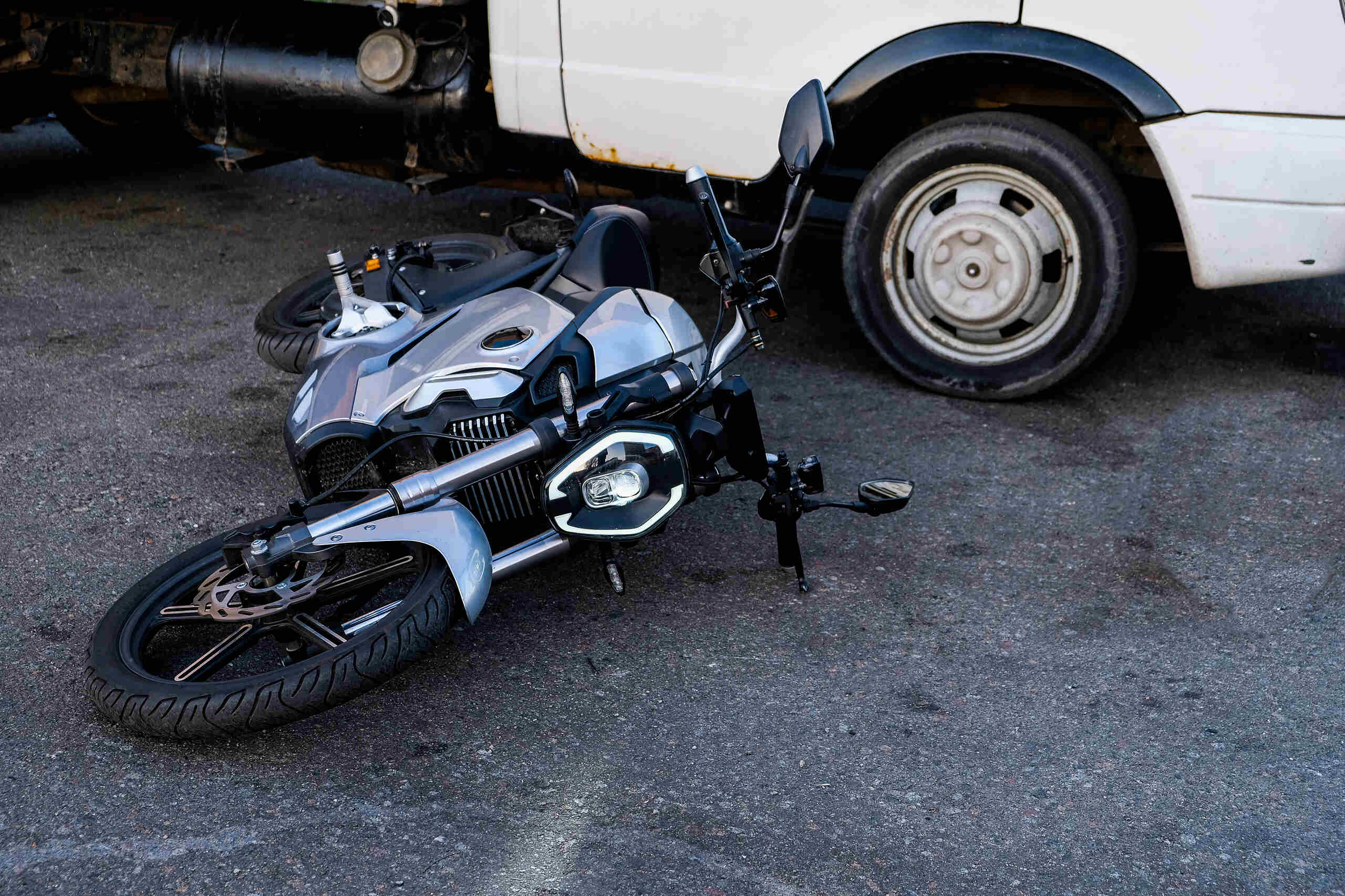
If you were injured in a motorcycle accident in Pennsylvania, you may still recover compensation even if you were not wearing a helmet. In fact, helmet use may be irrelevant to your claim, especially if your injuries are unrelated to your head or neck.
That’s a major concern for many riders after a crash. Whether you were traveling along Route 6, navigating traffic on Wyoming Avenue, or riding through Scranton’s downtown streets, the question comes up quickly: “Did I just ruin my case because I wasn’t wearing a helmet?”
Insurance companies often try to use that fear against you, but the Pennsylvania helmet law is far more nuanced. Understanding how motorcycle helmet laws in PA work—and when not wearing a helmet actually matters—can help you protect your claim and avoid being unfairly blamed for injuries you did not cause.
Key Takeaways About Motorcycle Helmet Law in Pennsylvania
- Pennsylvania has a partial helmet law, meaning riders over 21 may legally ride without a helmet under certain conditions.
- Not wearing a helmet does not automatically prevent you from recovering compensation after a motorcycle accident.
- The “failure to wear a helmet” argument typically applies only to head and neck injuries, not to injuries elsewhere on the body.
- Pennsylvania follows a comparative negligence system, allowing recovery as long as you are not more than 50% at fault.
- Insurance companies may argue you failed to mitigate your damages, but they must prove your injuries were worsened by not wearing a helmet.
- Injuries like broken bones, spinal injuries below the neck, or internal injuries are often unaffected by helmet use.
- Each case depends on medical evidence and whether helmet use directly relates to the injury.
What Do the Motorcycle Helmet Laws in PA Actually Require?
Pennsylvania does not require all motorcyclists to wear helmets. Instead, it follows a partial helmet law that allows riders over 21 to ride without a helmet if they meet certain experience or training requirements.
This means that in many cases, riding without a helmet is completely legal. That distinction matters because it directly affects how fault and responsibility are evaluated after a motorcycle accident.
Does Not Wearing a Helmet Mean You Lose Your Case?
Not wearing a helmet does not automatically prevent you from filing a claim or recovering compensation. Pennsylvania law does not impose an automatic penalty simply because a rider over 21 chose not to wear a helmet.
Instead, the focus shifts to whether the lack of a helmet actually contributed to the injuries you sustained. That distinction is what drives how these cases are evaluated, not simply whether you had a helmet on at the time of the crash.
How Insurance Companies Use the “Failure to Wear a Helmet” Argument
Insurance companies often raise a defense commonly referred to as a failure-to-wear-a-helmet defense. The goal is to reduce the amount they have to pay by arguing that your injuries could have been less severe if you had been wearing a helmet.
This argument is tied to the legal concept of mitigation of damages. In Pennsylvania, this theory requires injured individuals to take reasonable steps to minimize their own harm. However, the key issue is causation. The insurance company must show that not wearing a helmet directly contributed to the specific injuries you are claiming.
How Comparative Negligence Applies in Helmet Cases
Pennsylvania follows a modified comparative negligence rule, which means your compensation can be reduced if you are partially at fault for your injuries.
In helmet-related cases, this may come into play if you suffered a head or neck injury and the defense argues that the injury was worsened by not wearing a helmet. If a jury agrees, they may assign a percentage of fault to you, which reduces your total recovery.
However, as long as you are not more than 50% at fault, you can still recover compensation from an at-fault driver under Pennsylvania law.
How Insurance Companies Try to Use Helmet Laws Against You
Even though Pennsylvania’s motorcycle helmet law does not automatically prevent you from recovering compensation, insurance companies often try to use it as leverage early in the claims process. Their goal is to shift as much blame as possible onto you, even when the law does not fully support that position.
One common tactic is to suggest—sometimes immediately after the accident—that your injuries are your own fault because you chose not to wear a helmet. Adjusters may frame conversations in a way that makes it seem like your case is weak or that you are not entitled to full compensation. This approach is designed to create doubt and push you toward accepting less than your claim may actually be worth.
Insurance companies may also try to stretch this argument beyond what the law allows. For example, they might imply that not wearing a helmet shows generally unsafe behavior, even if your actual injuries have nothing to do with helmet use.
While that argument can sound convincing, Pennsylvania law focuses on whether helmet use would have made a difference in the specific injuries you suffered, not on general assumptions about risk.
Another tactic involves selectively relying on medical records or expert opinions to argue that your injuries were worsened by the absence of a helmet. In these situations, the details matter. The burden is on the insurance company to prove that a helmet would have prevented or reduced your injuries, not simply to suggest that it might have.
When you partner with a reputable motorcycle accident lawyer, you will more fully understand your rights and these strategies. A skilled injury attorney can help you avoid being misled during the claims process by focusing on the facts of your case and the actual cause of your injuries. Having sound legal advice is key to protecting your right to full compensation.
Why The Failure to Wear a Helmet Argument Is Limited to Certain Injuries
This is where the “damage control” aspect becomes critical. The failure-to-wear-a-helmet argument typically applies only to injuries involving the head or neck.
If your injuries are unrelated to those areas, the argument often has little legal relevance. For example, if you suffered a broken leg, fractured ribs, or internal injuries, wearing a helmet would not have prevented those injuries.
In those situations, insurance companies cannot reasonably argue that you failed to mitigate damages. The law focuses on whether helmet use would have made a difference, not on the mere fact that you were not wearing one.
Don’t let an insurance company convince you that riding without a helmet ruins your claim. Under motorcycle helmet laws in PA, you are still automatically considered “full tort”, which means you can pursue compensation for pain and suffering regardless of your gear or your auto insurance choices.
What If You Did Suffer a Head Injury?
If your injuries include a head or neck injury, the issue becomes more complex. The insurance company may argue that your injuries were more severe because you were not wearing a helmet.
This does not automatically defeat your claim, but it may affect how damages are calculated. The key question becomes whether a helmet would have prevented or reduced the severity of the injury.
Even in these cases, you may still recover compensation. The outcome depends on medical evidence, expert analysis, and the ultimate allocation of fault.
Understanding “Secondary Assumption of Risk”
In some cases, the defense may argue that you knowingly accepted the risks of riding without a helmet. This concept, sometimes referred to as the secondary assumption of risk, may be raised to reduce liability.
However, this argument does not automatically bar recovery under Pennsylvania law. Courts tend to focus more on causation and the specific facts of the accident than on broadly applying this concept to deny claims.
Why Assuming You Don’t Have a Viable Motorcycle Accident Case May Be Wrong
After an accident, it is common for riders to question their decisions and assume they are at fault. Insurance companies often rely on that uncertainty to offer lowball settlements that minimize payouts.
In reality, many riders still have strong claims even if they were not wearing a helmet. The outcome depends on the details of the accident, the nature of the injuries, and whether helmet use actually played a role.
Steps to Take After a Motorcycle Accident
Taking the right steps after an accident can protect both your health and your claim. Seeking medical attention immediately is critical, even if injuries seem minor at first.
You should also document the scene, gather witness information, and report the accident. Keeping detailed records of your treatment and expenses will help support your case as it progresses.
Work with a dedicated PA motorcycle accident law firm to help you build a strong case and take the legal burden off your shoulders while you focus on recovering from your injuries.
Frequently Asked Questions About PA Motorcycle Helmet Law
Is it legal to ride without a helmet in Pennsylvania?
Yes, riders over 21 can legally ride without a helmet in Pennsylvania if they meet certain requirements, such as having at least two years of riding experience or completing an approved motorcycle safety course.
This means that in many cases, choosing not to wear a helmet is completely lawful and does not automatically make you negligent. However, even when it is legal, insurance companies may still try to argue that not wearing a helmet contributed to certain injuries, which is why the specific facts of your case still matter.
Can the insurance company deny my claim because I wasn’t wearing a helmet?
No, your claim cannot be denied solely because you were not wearing a helmet. Pennsylvania law does not allow insurers to reject a claim on that basis alone.
Instead, the insurance company must prove that your injuries were directly caused or worsened by the absence of a helmet. Even then, this would typically only reduce a portion of your compensation rather than eliminate your claim entirely. If your injuries are unrelated to your head or neck, this argument often has little impact.
Does not wearing a helmet affect pain and suffering damages?
It can, but only in specific situations. If your injuries involve your head, brain, face, or neck, the insurance company may argue that a helmet would have reduced the severity of those injuries. If that argument is supported by medical evidence, your pain and suffering damages could be reduced based on your percentage of fault.
However, if your injuries involve other parts of your body—such as broken bones, internal injuries, or lower-body trauma—helmet use is generally irrelevant to pain and suffering damages.
What if the driver who hit me was clearly at fault?
If the driver was clearly at fault, they can be held responsible for causing the accident regardless of whether you were wearing a helmet. Fault for causing the crash and responsibility for specific injuries are treated as separate issues under Pennsylvania law.
Even if helmet use becomes part of the damages discussion, it does not excuse negligent driving behavior such as speeding, distracted driving, or failing to yield. You may still recover compensation, and any reduction in compensation should be tied only to injuries that could have been affected by helmet use.
Should I still file a claim if I wasn’t wearing a helmet?
Yes, you should absolutely still consider filing a claim. Many injured riders assume they do not have a case, but Pennsylvania law often allows recovery even when a helmet was not worn.
The strength of your claim depends on factors such as how the accident occurred, the severity of your injuries, and whether those injuries are connected to helmet use. Filing a claim allows you to fully evaluate your options and determine what compensation may be available, rather than giving up your rights based on a common misconception.
Talk to a Scranton Motorcycle Accident Attorney at The Slocum Firm About Your Case
After a motorcycle accident, it’s easy to feel uncertain about your rights, especially if you weren’t wearing a helmet. Pennsylvania law does not automatically prevent you from recovering compensation, and many riders still have strong claims.
Call The Slocum Firm, P.C. to speak directly with a personal injury attorney about your situation. We are available 24/7, and you will never pay a fee unless we recover compensation for you.
Since 2009, we have helped injured clients recover millions, maintaining a 95% recovery rate and resolving most cases in less than a year. When you call, you will speak directly with an attorney who can evaluate your situation, explain how motorcycle helmet law in PA applies to your case, and help you make decisions with confidence.
You don’t have to face the legal system alone. Call (570) 209-7376 today for a free consultation and get clear answers about your rights.